No products in the cart.
Henna is a lovely part of many cultures across the world. It brings people together during happy celebrations like weddings and Eid. You might see it often at festivals throughout the United Kingdom. However, have you ever stopped to think about the green paste? Do you actually know what henna made of when it touches your skin? This natural dye comes from a special plant called Lawsonia inermis. Our guide will help you understand every single ingredient used. Consequently, you will learn how to pick safe and healthy products. Let us explore the magic of this ancient plant together.
What Is the Secret Behind the Lawsonia Inermis Plant?
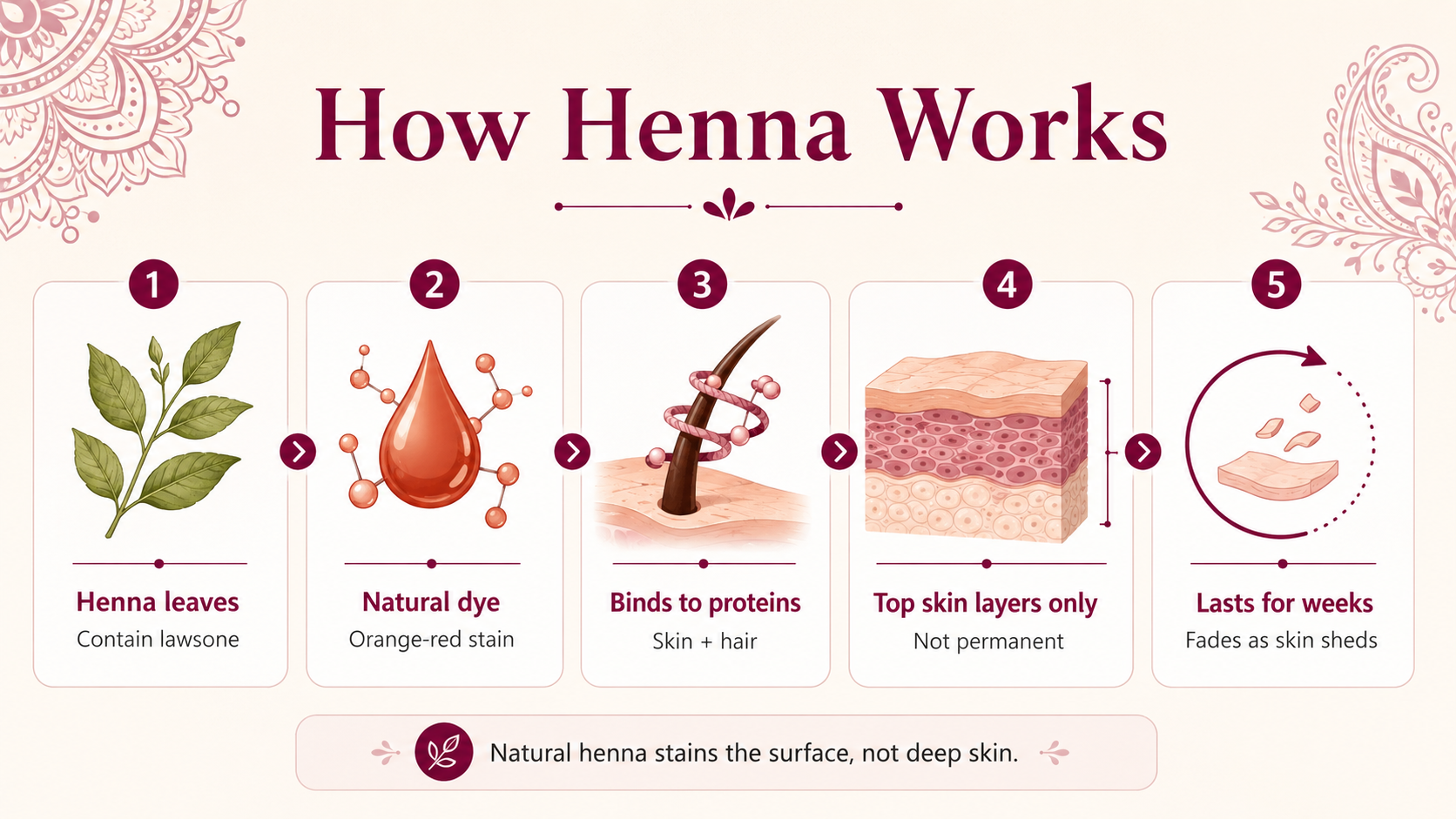
Natural henna begins its journey as a small, leafy shrub. People often call this plant the mignonette tree in various countries. The leaves are the most important part of the entire plant. These green leaves contain a special tannin molecule called Lawsone.
This molecule is responsible for the deep orange or brown stain. To create powder, farmers dry the leaves under the hot sun. Afterwards, they crush the dry leaves into a very fine dust. Workers then sift the powder three times to remove any sticks. This ensures the paste is smooth for making very intricate designs.
How Does the Lawsone Molecule Work in Henna?
Inside these leaves, there is a special molecule called “lawsone”. This is a natural tannin that creates a deep orange-red colour. It binds to the proteins in your skin and hair cells. Because of this, the dye stays on your body for weeks. This process is very different from a permanent ink tattoo. The molecule only travels into the top layers of your skin. As your skin naturally sheds, the beautiful design begins to fade away. Therefore, you do not need to worry about the design lasting forever. Understanding the science helps you see why natural henna is so unique.
Which Liquids Work Best for Mixing Henna?
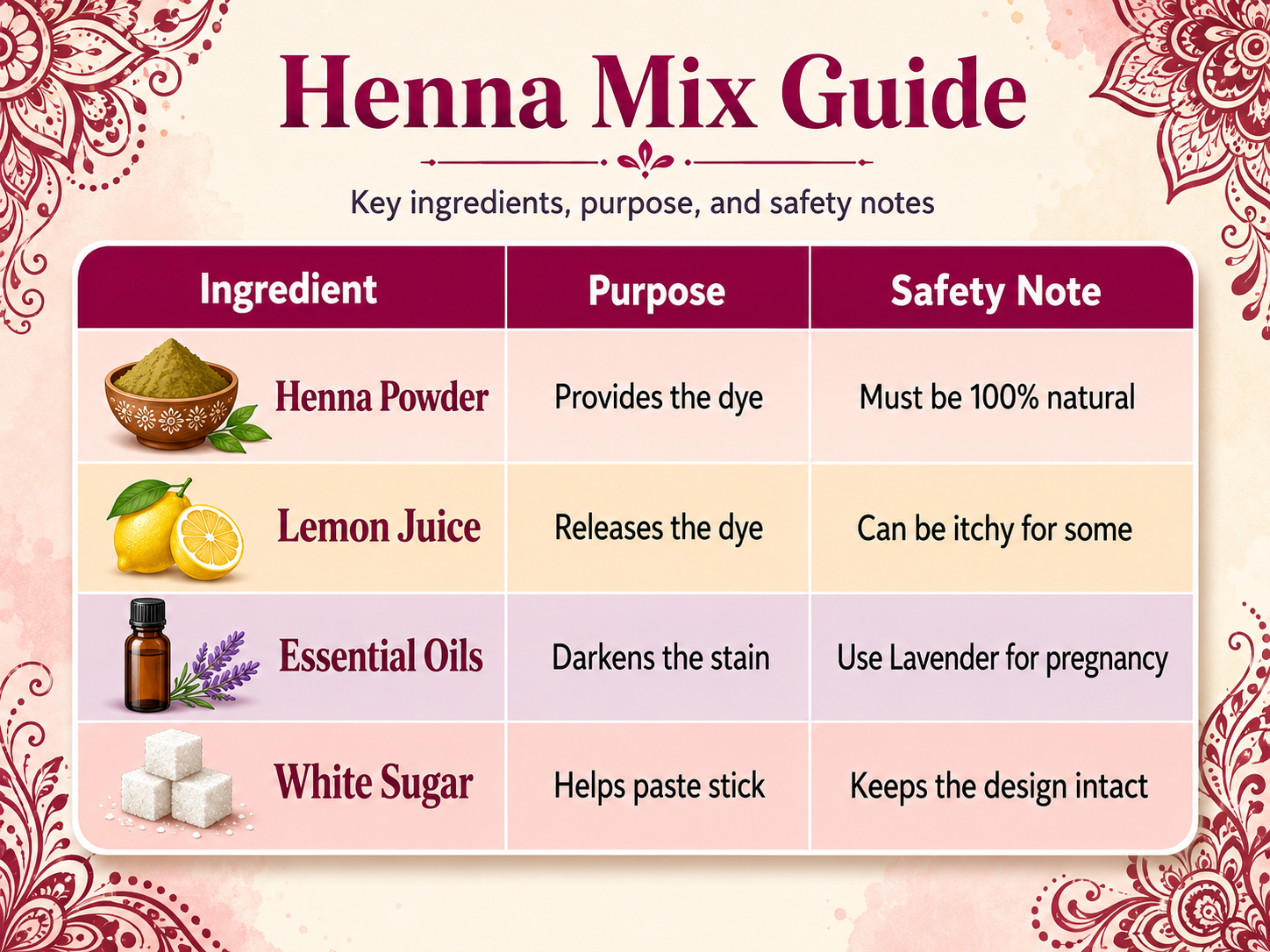
To turn the powder into a paste, artists add specific liquids. Most people use water, lemon juice, or even warm black tea. These liquids help release the dye from the leaf powder. Lemon juice is very popular because its acidity helps the colour last. However, some people prefer water if they have very sensitive skin. The liquid must be added slowly to get the right texture. You want a paste that looks like smooth, creamy yoghurt. If the paste is too runny, it will bleed on the skin. If it is too thick, it will not come out smoothly.
What Role Do Essential Oils Play in Henna?
Many artists add essential oils to their henna paste for better results. These oils are often called “terps” in the world of henna art. Oils like Eucalyptus, Lavender, or Tea Tree are very common choices. They contain terpenes which help the dye become much darker on skin.
Additionally, these oils give the henna paste a very relaxing scent. You should avoid using oils that are too harsh or spicy. Lavender oil is usually the safest choice for children and pregnant women. Always ensure the oils are high quality and safe for skin contact.
Why Sugar is Added
Sugar is a secret ingredient that many professional henna artists use. It helps the paste stay flexible while it dries on your skin. Without sugar, the dried henna would crack and fall off too quickly. If the paste stays on the skin longer, the stain becomes darker. Sugar also helps the paste stick to the skin during the process. You can use normal white sugar or even a bit of honey. Therefore, the paste becomes much easier to work with for long sessions. This small addition makes a big difference in the final art result.
Is Henna Safe for Your Skin?
You must stay careful when choosing body art products in the UK. Pure henna is very safe for almost every person to use. However, some shops sell a product known as “black henna.” This “black henna” is not actually natural henna at all. It often contains a toxic chemical called PPD, which causes burns. In the UK, using PPD on the skin is strictly illegal. Therefore, always check if your artist follows the UK safety reports. Reputable artists always use fresh, natural ingredients for their clients’ safety.
Why does natural henna change colour on your skin?
Natural henna never stays green once you apply it to your body. The paste starts as a dark green or brown mud. Because of the Lawsone molecule, it begins to stain the skin. Firstly, the stain appears as a bright orange colour. This happens right after you scrape the dry paste away. Over the next two days, the colour becomes much darker. It eventually turns into a rich, beautiful reddish-brown or mahogany shade. This change happens because the dye reacts with oxygen in the air.
What other ingredients are added to make the paste?
Mixing the powder requires a few simple and natural household items. To begin, you need a liquid to release the dye. Most artists use water, lemon juice, or even warm tea. These liquids help the Lawsone molecule move out of the leaf. Next, artists add “terps,” which are specific essential oils. Common choices include Eucalyptus, Lavender, or even Cajuput oil. These oils help the stain become much darker and last longer. Finally, a bit of white sugar is added to the mix. The sugar helps the paste stick to your skin without cracking. This ensures the dye has enough time to soak in deeply.
Can the Same Henna Be Used for Hair and Skin?
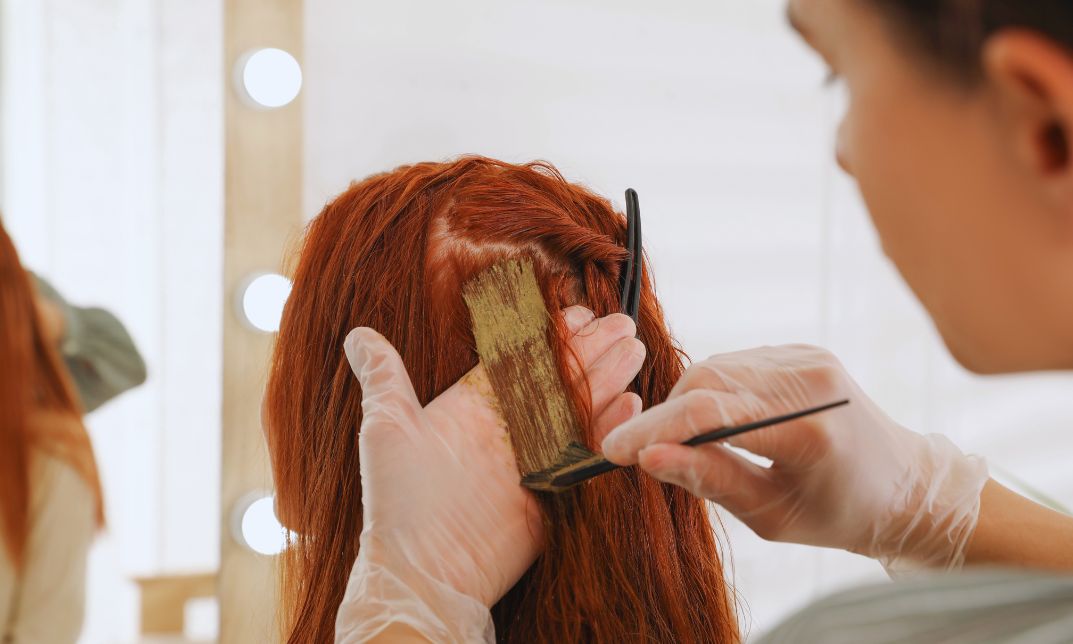
People use this plant for both hair dye and body art. However, the quality of the powder can vary quite a lot. Skin-grade powder is sifted many times to be very fine. This allows the artist to draw very thin and delicate lines. On the other hand, hair henna might be a bit coarser. It sometimes contains other dried herbs like indigo or even amla. Using hair-grade powder on your hands might result in a clog. Skin-grade powder works perfectly well for hair, but it costs more.
How to identify pure henna vs. chemical alternatives
You can easily tell if a paste is natural or fake. Firstly, use your nose to smell the henna cone carefully. Natural henna smells like cut grass or sweet essential oils. If it smells like bleach or ammonia, please do not use it. Secondly, look at the packaging for a clear expiry date. Real henna is a perishable product that must be kept frozen. Because of this, it cannot sit on a warm shop shelf. Chemical cones often stay “good” for years at room temperature. This is a huge red flag for any smart UK consumer.
- Natural Henna: Smells like plants, needs freezing, stains brown.
- Chemical Henna: Smells like chemicals, shelf-stable, stains black instantly.
- Safety Check: Always ask the artist for a full list.
Why UK weather affects its stain
The British climate can be quite cold and very damp sometimes. Heat is actually required for the henna to stain your skin. When it is cold, the dye does not move as quickly. Therefore, you should keep your hands warm while the paste sits. Some people wrap their hands in medical tape or fleece. This traps the body heat against the skin very effectively. Warmth allows the natural oils and dye to work their magic. This results in a much darker and more impressive final stain.
How to mix your own paste at home safely
Making your own paste is the best way to be sure. Firstly, buy some high-quality, triple-sifted henna powder from a pro. Put two tablespoons of powder into a small glass bowl. Add enough lemon juice to make a thick, creamy paste. Add about ten drops of high-quality lavender essential oil. Cover the bowl with plastic wrap and let it sit. Wait for about twelve hours for the dye to release. Finally, put the paste into a plastic cone for drawing.
Why you should avoid “Instant” henna products
You might see instant henna in many local corner shops. These products promise a dark stain in only five minutes. However, natural henna takes many hours to stain the skin. This means the “instant” version is full of strong chemicals. These chemicals can cause permanent scarring on your delicate skin. Patience is the key to a safe and beautiful henna design. It is much better to wait than to risk a burn. Always choose the slow, natural process for the best results.
What Are the UK Laws for Henna Cosmetic Products?
The UK has very strict rules to keep all consumers safe. Every cosmetic product must have a safety report called a CPSR. This document proves that the ingredients will not cause harm. They must be able to tell you exactly what is inside. This is especially important for public events like school summer fairs. Many insurance companies in the UK require artists to use natural henna. This ensures that everyone stays happy and healthy during the festivities.
Conclusion
Henna is a wonderful gift from the natural world. We have learned that what henna made of is quite simple. It is a mix of leaves, liquid, sugar, and oils. By choosing natural products, you stay safe and support healthy traditions.
However, always remember to avoid black henna and look for earthy smells. If you are in the UK, find a reputable artist. They will use the best ingredients for your beautiful body art. Now you can enjoy your next celebration with total peace of mind. Check out our recommended list of natural henna artists in the UK! Share your best henna stain photos with us on social media!
FAQs
1. What are the bad chemicals in henna?
- The main harmful chemical is PPD (Paraphenylenediamine), commonly found in black henna. It can cause burns, blisters, allergic reactions, and permanent scarring.
2. What is real henna made of?
- Real henna is made from dried leaves of the Lawsonia inermis plant, mixed with natural ingredients like water or lemon juice, sugar, and essential oils.
3. Is henna cultural or Islamic?
- Henna is a cultural tradition practised by many communities worldwide. It is also commonly used during Islamic celebrations but is not exclusive to Islam.
4. What is the main ingredient in henna?
- The main ingredient is finely ground leaf powder from the Lawsonia inermis plant.
5. Why do hairdressers not like henna?
- Some hairdressers avoid henna because it can interfere with chemical dyes and bleaching, making colour results harder to predict.
6. Is 100% natural henna safe?
- Pure, 100% natural henna is generally safe for most people when used correctly. Always perform a patch test before applying it.