No products in the cart.
The quality of henna hair dye depends on what goes into the packet. Pure henna contains simple plant ingredients, while poor-quality products may include synthetic colours, metallic salts or other unwanted additives.
As consumers move towards cleaner beauty choices, the henna market has grown to more than £1.2 billion worldwide. That growth has also brought more brands and more confusing ingredient lists. Learning how to read the label can help you make a safer choice for your hair and scalp.
This guide covers the ingredients to look for and those you should avoid.
Which Plant Acts as the Foundation for Real Henna?
Lawsonia inermis leaf powder serves as the core of every authentic henna product. This plant grows in warm climates and contains a special dye molecule called lawsone. Real henna always produces a reddish-orange stain on your hair strands.
You must verify this botanical name on the ingredient list before buying anything. High-quality powders never contain synthetic fillers or hidden chemicals. They are made simply by drying and grinding the leaves of this specific plant.
Why is Indigofera Tinctoria Vital for Darker Shades?
Indigofera tinctoria creates natural brown and black hair shades when mixed with henna. This plant provides a deep blue pigment that balances out the red tones. On its own, indigo does not bond well to the hair fibres.
However, henna helps the indigo colour last much longer. As a result, you get rich, dark tones without using any harsh chemical dyes. It is the perfect partner for creating a variety of natural hair colours.
Can Cassia Auriculata Give Your Hair a Golden Shine?
Cassia auriculata acts as a natural conditioner and adds subtle yellow highlights to light hair. Many people call it “neutral henna” because it does not have the strong red pigment of Lawsonia. This herb fills in the gaps in your hair cuticle for extra strength, in addition.
It makes your hair feel incredibly thick and look very glossy. Blondes often use it to brighten their natural hair colour safely. It provides the benefits of henna without changing your colour drastically.
How does Emblica Officinalis Change the Henna Tint?
Emblica officinalis, also known as Amla, functions as a cooling agent for red tones. This fruit provides high levels of Vitamin C and natural antioxidants. It pushes the bright orange colour toward a more muted, ashy shade as a result.
Amla also helps your hair maintain its natural curl pattern during the dyeing process. It keeps your scalp healthy and prevents unwanted hair shedding. It is a favourite ingredient for those who want a more brown result.
Beneficial natural ingredients to look for
- Lawsonia inermis: The essential plant for red-orange colour and strength.
- Indigofera tinctoria: The natural blue dye used to create dark brown and black.
- Cassia auriculata: A conditioning herb that adds golden tones to light hair.
- Emblica officinalis: A powerful fruit powder that tones down bright red shades.
- Aloe barbadensis: A soothing plant that keeps your hair soft and hydrated.
Why Does Aloe Barbadensis Keep Your Hair Soft?
Aloe barbadensis leaf juice adds essential moisture to the herbal henna paste. Henna can sometimes leave the hair feeling slightly dry immediately after the application. The soothing gel inside the aloe plant protects your scalp from potential itching.
It makes the mixture much easier to apply because the texture becomes very smooth. Your hair stays hydrated and feels very soft after you rinse it. It helps the plant powders work better on your strands.
Does Azadirachta Indica Help with Scalp Problems?
Azadirachta indica, or Neem, possesses natural anti-fungal and anti-bacterial properties. This powerful herb effectively removes dandruff and soothes irritated skin on your head. Neem keeps the hair follicles clean and promotes a better environment for hair growth, specifically.
It is a fantastic choice for anyone struggling with an oily or itchy scalp. Many organic blends include it to boost overall hair health. It ensures that your scalp stays as healthy as your hair.
Why is Acacia Concinna Used as a Natural Cleanser?
Acacia concinna, known as Shikakai, acts as a gentle soap for your hair. It contains natural plant saponins that remove dirt without stripping away your natural oils. This herb leaves your hair feeling very soft and extremely easy to detangle, consequently.
It regulates the natural pH balance of your scalp while you colour your hair. Shikakai ensures your hair stays clean and shiny during the process. It has been used for hundreds of years to keep hair beautiful.
Can Eclipta Alba Make Your Hair Grow Stronger?
Eclipta alba, or Bhringraj, is a famous herb used in ancient medicine for hair growth. It nourishes the roots of your hair and prevents premature thinning or greying. This ingredient adds a deep strength to every strand of your hair, notably.
It improves the overall texture and makes your hair look very dark and lush. Including this in your henna mix supports long-term hair density. It helps you keep your hair for a very long time.
How does Hibiscus Rosa-Sinensis Enhance the Red Colour?
Hibiscus rosa-sinensis flowers provide a beautiful burgundy tint to your natural henna mix. This plant contains amino acids that repair damaged hair and stimulate healthy growth.
Hibiscus adds a multi-dimensional shine that looks stunning in the sunlight, to illustrate. It works perfectly for people who want a deeper and more vibrant red result. Your hair feels smoother and looks much more luxurious after using it. It turns a simple red into a rich, floral shade.
Natural herbs for health and colour
- Azadirachta indica (Neem): Keeps the scalp clean and free from dandruff.
- Acacia concinna (Shikakai): Cleanses the hair gently without using harsh soaps.
- Eclipta alba (Bhringraj): Supports thick hair growth and prevents premature greying.
- Hibiscus rosa-sinensis: Adds a rich burgundy glow and repairs hair damage.
- Curcuma longa (Turmeric): Provides a bright golden tint and protects the scalp.
Why Do Turmeric and Rhubarb Root Add Warmth?
Curcuma longa and Rheum palmatum add sunny yellow tones to your copper henna. Turmeric provides a bright glow that makes your hair look very warm and lively. Rhubarb root adds a soft golden stain that is perfect for light-coloured hair, following on.
These plants allow you to create a customised shade that fits your skin tone. They are safe, edible ingredients that offer a natural colour boost. They help you achieve a warm, sun-kissed look.
Why is PPD the Most Dangerous Chemical to Avoid?
Para-phenylenediamine, or PPD, often appears in fake “black henna” to create instant dark colours. This toxic chemical causes severe skin burns and permanent allergic reactions in many people. Real henna takes hours to develop and never produces a black colour instantly, in contrast.
The UK government warns against using any product that contains this dangerous substance. Pure powders are the only safe way to dye your hair dark. You must always check labels for this ingredient.
What are the Risks of Using Metallic Salts?
Metallic salts like lead acetate damage the hair and make it feel very brittle. Cheap brands use them to make the hair colour appear more intense than it is. These salts stay on the hair and prevent moisture from getting inside the strands, for instance. They cause the hair to snap off or break during normal brushing. You must avoid these minerals to keep your hair healthy and strong. They can ruin your hair texture for a very long time.
Why Do Metallic Salts React with Salon Bleach?
Metallic salts cause a scary chemical reaction when they touch professional hair bleach. Your hair can actually start to smoke or melt off during the process. Pure plant henna remains safe for all future salon services, on the other hand.
You should always tell your stylist if you have used henna before any chemical treatment. Only botanical powders allow you to change your style safely in the future. It is a very important safety rule to follow.
Is Sodium Picramate a Safe Ingredient in Henna?
Sodium picramate is a synthetic booster that companies add to speed up the dyeing time. It forces a dark red colour onto your hair in just a few minutes. This chemical can irritate your scalp and cause long-term sensitivity to other hair dyes, specifically.
Real henna requires a slow and natural development time to be safe. You should stick to 100% plants to avoid this unnecessary synthetic additive. Natural processes should never be rushed with chemicals.
Chemical ingredients to avoid completely
- PPD (Para-phenylenediamine): Toxic dye that causes severe allergies and scarring.
- Lead acetate: Metallic salt that makes hair brittle and reacts with bleach.
- Ammonia: A harsh gas that destroys the hair cuticle and smells bad.
- Sodium picramate: Synthetic additive used to speed up the dyeing process.
- Silver nitrate: A metallic compound that damages the internal structure of hair.
Why Should You Choose Henna over Ammonia?
Ammonia and peroxide strip away your natural hair colour and destroy the hair cuticle. They leave your hair feeling very dry, frizzy, and prone to extreme breakage. Pure henna does not require these harsh chemicals to work effectively on hair, to clarify. It coats the outside of the hair instead of attacking the internal structure. It makes the hair stronger instead of making it weaker. This choice keeps your hair looking healthy for years.
How Does the pH Level of Henna Protect Hair?
Pure henna has an acidic pH of 5.5, which matches the natural state of your hair. This low pH helps the hair cuticle stay flat, smooth, and very shiny. Chemical dyes have an alkaline pH that forces the hair to swell and open, by comparison.
Henna keeps the hair sealed and protects it from environmental damage like pollution. It serves as a healthy treatment for your scalp as well. It keeps the natural balance of your hair intact.
How Does the Lawsone Molecule Bind to Your Hair?
Lawsone molecules have a natural attraction to the keratin protein in every hair strand. They migrate into the hair and form a permanent bond without using chemicals. This bond creates a protective shield that strengthens your hair against the hot sun, interestingly.
It does not wash out, making your new hair colour truly permanent and long-lasting. Each application makes your hair feel significantly thicker and more resilient. The colour gets better with every use.
Why is Triple-Sifted Powder Better for Application?
Triple-sifted henna has been passed through a fine mesh screen three times during production. This creates a powder as fine as flour that mixes into a creamy paste. The mixture becomes very easy to apply and even easier to rinse out, consequently.
Low-quality powders often contain sand or stems that can scratch your sensitive scalp. Fine powders ensure that the dye touches every single hair strand evenly. It makes the whole experience much more pleasant.
How Can You Tell if Henna Powder is Fresh?
Fresh henna powder always looks bright green and smells like freshly cut grass. Old powder turns a dull brown colour and loses its ability to dye hair. The dye molecules die when they are exposed to too much air or light, notably.
You should always buy henna that comes in airtight and light-proof foil packaging. Freshness ensures that you get a deep and vibrant colour every single time. It is the secret to a great result.
Quality indicators for pure henna
- Vibrant Green colour: Fresh leaves produce a bright green and potent powder.
- Grassy scent: Authentic henna smells like fresh hay or dried herbs.
- Fine texture: The powder should feel smooth like flour between your fingers.
- Vacuum-sealed: Proper packaging protects the dye from air and light.
- Transparent labels: Every plant ingredient is listed by its botanical name.
What Happens During the Dye Release Process?
Dye release happens when you mix the powder with liquid and let it rest. This process frees the lawsone molecules so they can stain your hair effectively. The paste needs to sit at room temperature for six to twelve hours to activate beforehand.
You will see the top of the paste turn a darker brown when it is ready. This waiting period is the secret to a professional-looking result. It allows the plants to do their best work.
Why does Henna Colour Change After Two Days?
Henna colour deepens and darkens through a natural process called ‘oxidation’ after the wash. Your hair might look very bright orange for the first few hours after rinsing. The colour settles into a rich and earthy tone over the next two days, afterwards. You should avoid using shampoo during this time to let the colour fully set. The final result always looks more natural and sophisticated than the start. It is worth the short wait.
Why is a 48-Hour Patch Test Essential?
Patch testing ensures that your body does not have a rare allergy to the plants. You should apply a small amount of paste to your arm and wait two days. This simple step prevents any major scalp irritation or uncomfortable allergic reactions, primarily. Even natural substances can cause a reaction in some people with sensitive skin. It is a vital safety rule for all home hair-dyeing sessions. You should never skip this step.
How does a Strand Test Save You from Surprises?
A strand test shows you exactly how the henna colour will look on your hair. You apply the paste to a small hidden section before doing your whole head. This helps you decide if you want to add more indigo or amla, to illustrate further. It gives you total confidence that you will love the final colour result. You avoid any surprises by taking this one simple precaution first. It is the best way to practise.
What are the Best Tips for a Successful Application?
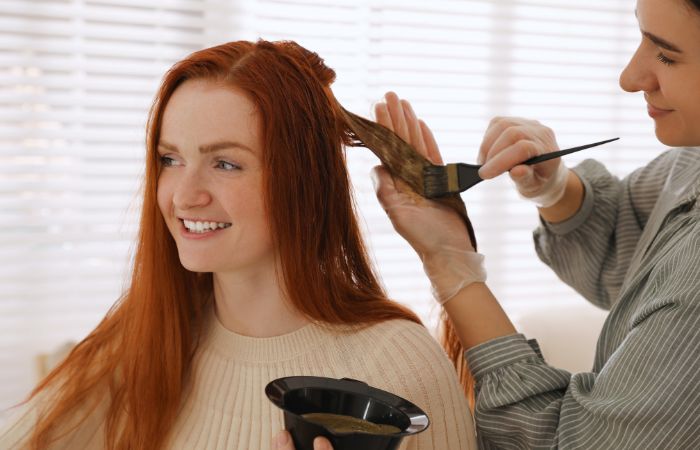
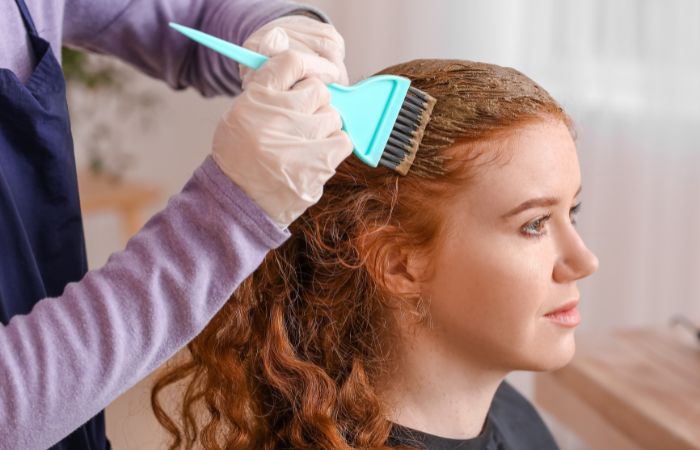
Applying henna to clean hair ensures that the dye can reach every single strand. You should wear gloves to prevent the henna from staining your hands for weeks. Wrapping your hair in a cap keeps the paste warm and moist during development.
Leaving the henna on for three to six hours produces the deepest colour. These steps guarantee a beautiful and even result for your hair. It makes your hair look like it was done at a salon.
Steps for a perfect henna session
- Clean hair: Wash your hair to remove oils and styling products before starting.
- Wear gloves: Use protective gloves to avoid orange stains on your hands.
- Wait for dye release: Let the paste rest for 8 hours before applying.
- Apply in sections: Cover every strand of hair evenly with the herbal paste.
- Rinse with water: Avoid shampoo for 48 hours to let the colour oxidise.
Which INCI Names Should You Look for on Boxes?
You should look for Lawsonia inermis, Indigofera tinctoria, and Cassia auriculata on the label. These official names prove that the product contains real plants and no hidden chemicals. UK brands must follow these rules to keep their customers safe and informed, strictly speaking.
Seeing these Latin names gives you peace of mind that the product is authentic. Transparent companies are proud to show exactly what is in their hair dye. It is the sign of a trustworthy brand.
Can You Use Henna After Chemical Hair Dyes?
You can safely use pure henna to fix hair that has been damaged by salon chemicals. Henna fills in the gaps and makes brittle hair feel very strong and healthy again. It adds a shield of protection that helps your hair recover from past damage, surprisingly.
You must ensure the henna has no metallic salts before starting the process. It is a great way to move to a natural lifestyle. Your hair will start to feel thick and soft again.
What are the Permanent Benefits of Regular Henna?
Regular henna use makes your hair grow thicker, stronger, and much more resilient. Every application adds another protective layer of plant wax to your hair strands. You will notice fewer split ends and a lot more natural shine in the long run. Henna balances the oils on your scalp and keeps your hair looking vibrant. It is a wonderful way to care for your hair naturally for life. It is the best gift you can give your hair.
Final Thoughts
Pure henna is more than a natural hair colour. It is a smarter choice when you know how to read the ingredients. Avoid products with hidden chemicals and choose formulas made with trusted plant-based ingredients. That simple decision can help protect your hair, reduce irritation and deliver the rich, healthy-looking colour you expect from genuine henna.