No products in the cart.
If you are asking, “how do I become a teaching assistant”, you are probably looking for a role that feels meaningful, practical and realistic to enter without spending years in full-time study. That is exactly why teaching assistant work appeals to so many adults. It offers a route into education where patience, communication and a genuine interest in helping children can matter just as much as formal experience.
For many people, this is not just a job choice. It is a career change that fits around family life, existing work commitments or a long-term goal of moving into teaching, special educational needs support or pastoral care. The good news is that there is no single fixed route. The better news is that there are several ways to build the skills schools are looking for.
What a teaching assistant actually does
A teaching assistant supports teachers and pupils in a school setting. In practice, that can mean helping children stay focused, preparing classroom resources, supporting reading or maths activities, supervising group work and giving extra help to pupils who need more attention.
The exact job depends on the school, the age group and the needs of the pupils. In a primary school, the role may involve phonics, classroom displays and helping younger children settle into routines. In a secondary school, support can be more subject-specific. Some teaching assistants work closely with pupils with special educational needs and disabilities, while others support the whole class.
This matters because when people ask how to become a teaching assistant, they often picture one simple job. In reality, there are several versions of the role. Knowing which kind of setting suits you can help you make better decisions about training and experience.
Do you need qualifications to become a teaching assistant?
Sometimes yes, but not always in the way people expect. Schools often look for a good standard of English and maths, and many employers prefer candidates who have relevant qualifications in childcare, education support or teaching assistance. That said, some entry-level roles place more emphasis on attitude, reliability and experience with children.
A school may ask for GCSEs in English and maths, particularly if the role involves literacy and numeracy support. For more specialised posts, such as SEND support roles, employers may want additional training or previous school-based experience. If you do not already have education-focused qualifications, a CPD-accredited course can help you build confidence and show commitment.
Qualifications are not a magic shortcut, though. They work best when combined with a clear understanding of the classroom, safeguarding awareness and realistic expectations about the role.
How do I become a teaching assistant if I have no experience?
This is one of the most common concerns, and it is a fair one. Schools want people who can step into a busy environment and work professionally with children, staff and parents. If you have never worked in a school before, the best first move is to build relevant experience in accessible ways.
Volunteering is often the strongest starting point. This could be in a local primary school, secondary school, nursery, youth club, after-school club or community group. Even a few hours a week can help you understand classroom behaviour, school routines and the pace of the working day.
Transferable experience also counts more than many applicants realise. If you have worked in care, customer service, coaching, tutoring, youth work or any role that relies on communication, patience and structure, those strengths can be highly relevant. The key is learning how to present them properly when you apply.
The skills schools usually want
Teaching assistants need a mix of people skills and practical classroom awareness. Schools usually value calm communication, emotional resilience and the ability to follow instructions while also showing initiative.
You will also need to be organised. Teachers rely on support staff to help lessons run smoothly, and that means being dependable, prepared and able to respond when plans change. Flexibility is a major strength in any school environment.
Safeguarding awareness is essential too. Even if you are applying for an entry-level role, schools need to know that you understand professional boundaries, child protection responsibilities and the importance of reporting concerns appropriately.
The strongest candidates usually show these qualities clearly:
- communication with children and adults
- patience and empathy
- teamwork and reliability
- basic literacy and numeracy support skills
- behaviour management awareness
- understanding of safeguarding
- confidence working with different learning needs
Courses that can help you stand out
A course will not replace hands-on experience, but it can strengthen your application and help you feel job-ready. This is especially useful if you are changing careers, returning to work or applying without direct school employment on your CV.
Relevant courses often cover teaching assistant responsibilities, child development, safeguarding, SEN support, behaviour management and the structure of the UK education system. For some learners, studying online is the most practical option because it allows you to train around work and family responsibilities.
That flexibility is a big advantage if you are trying to move into education without putting everything else on hold. Skill Touch, for example, is built around that kind of accessible learning pathway, with self-paced study that can help adult learners gain confidence and strengthen employability.
When choosing a course, look at whether it is CPD-accredited, what topics it covers and whether the content feels aligned with real school responsibilities. A low-cost course can be a smart investment if it gives you useful knowledge and a more credible application.
Working with children with additional needs
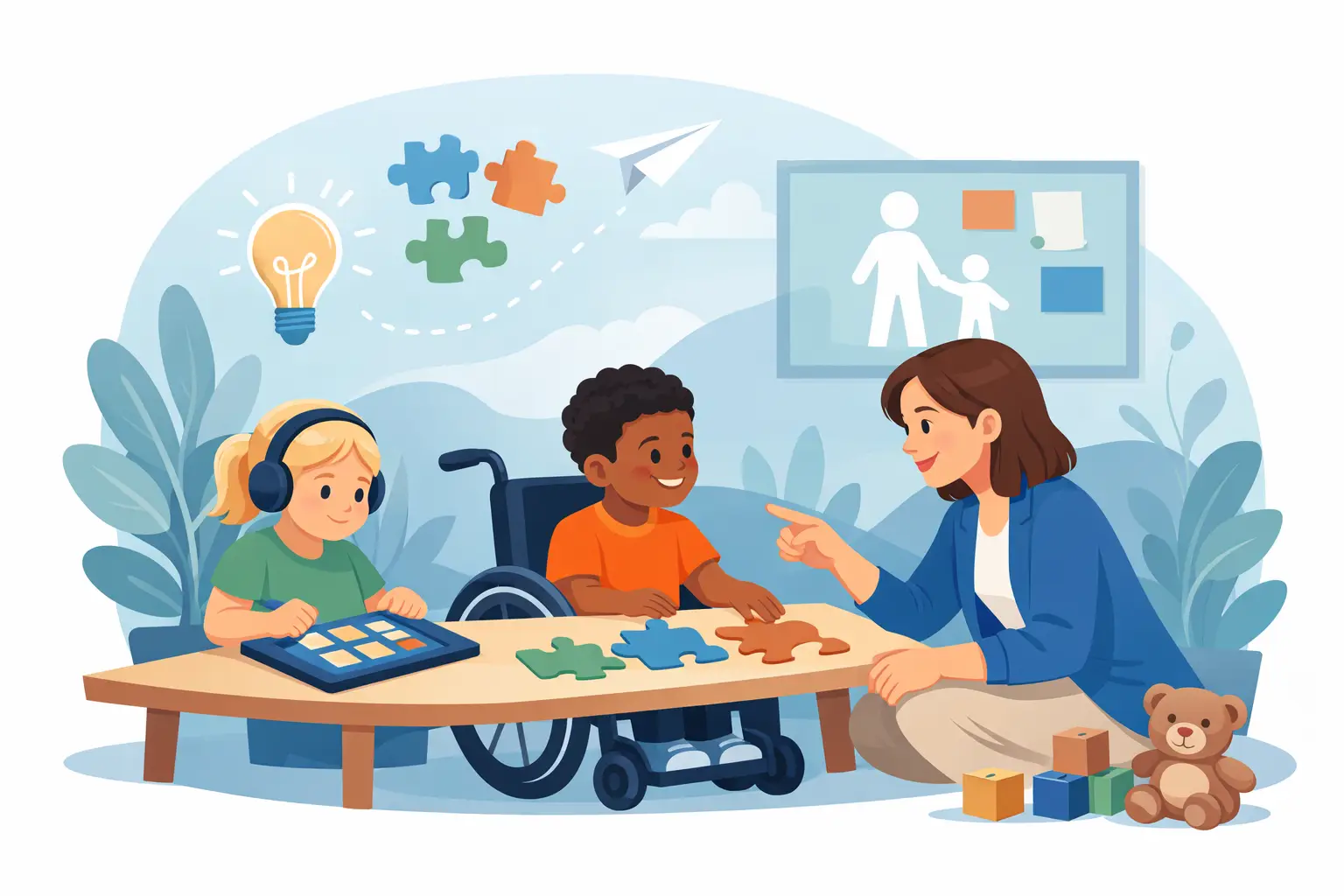
Many teaching assistant roles involve supporting pupils with additional needs, whether that is autism, ADHD, speech and language challenges, social and emotional needs or learning difficulties. In some schools, this is part of a general classroom role. In others, it is a dedicated SEND post.
If this area interests you, targeted training can be especially valuable. It helps you understand different support needs, appropriate classroom strategies and how to contribute to inclusive learning. It also gives you a clearer idea of whether this path is right for you.
This part of the profession can be deeply rewarding, but it can also be demanding. Progress may be gradual, and the role can require emotional resilience, consistency and strong collaboration with teachers and parents. It is worth going in with a realistic view rather than an idealised one.
What the application process usually looks like
Applying for teaching assistant roles is often more detailed than applying for general entry-level jobs. Schools take recruitment seriously because the work involves children, safeguarding and trust.
You will usually need a CV and a tailored application form or supporting statement. This is where many candidates fall short. A generic application rarely works well. Schools want to know why you want to work with children, what age group interests you, what relevant experience you have and how you would contribute to the school environment.
If you are shortlisted, you may be invited to interview and sometimes asked to complete a classroom-based task. That could involve observing a lesson, reading with a child or taking part in a practical exercise. The aim is not to catch you out. It is to see how you communicate, how you behave in a school setting and whether you seem calm, professional and engaged.
You will also need pre-employment checks. These often include references, identity checks and a DBS check.
A realistic route into the role
If you want a clear plan, the most practical route is usually to start with the basics and build steadily. Improve your understanding of the role, gain some experience with children, complete relevant training and then apply strategically rather than sending the same application to every vacancy.
A sensible order often looks like this:
- check local job adverts to see what schools are asking for
- build or refresh your English and maths if needed
- take a relevant teaching assistant or safeguarding course
- gain volunteer or part-time experience with children
- tailor your CV and supporting statement to each school
- prepare for interview questions around behaviour, safeguarding and teamwork
That route is not the only one, but it is one of the most reliable. It balances flexibility with credibility, which is exactly what many adult learners need.
Can a teaching assistant role lead to more?
Absolutely. For some people, becoming a teaching assistant is the end goal because they enjoy direct pupil support and the rhythm of school life. For others, it is a stepping stone into higher-level teaching assistant roles, SEND support, pastoral work, family liaison, tutoring or teacher training.
That progression is one reason the role is so appealing. You can start in a support position, build practical experience and then decide whether you want to specialise or move forward. Not every career path offers that kind of accessible entry point.
If you are still asking, “how do I become a teaching assistant”, the simplest answer is this: start where you are, build evidence that you can support children well, and choose training that moves you closer to the classroom rather than keeping the goal at a distance. Schools are not only looking for perfect CVs. They are looking for dependable people who care, learn quickly and show up ready to make a difference.