No products in the cart.
If you are looking for a healthcare role that is practical, people-focused and achievable through flexible study, understanding how to become a dental nurse is a strong place to start. Dental nursing offers a clear route into clinical work, steady demand across the UK, and career progression for learners who want a respected role without spending years at university.
For many adults, the appeal is simple. You can build relevant knowledge online, fit your learning around work or family life, and move towards a regulated profession with real long-term value. That matters if you are changing careers, returning to work, or looking for a healthcare path with structure and opportunity.
What does a dental nurse do?
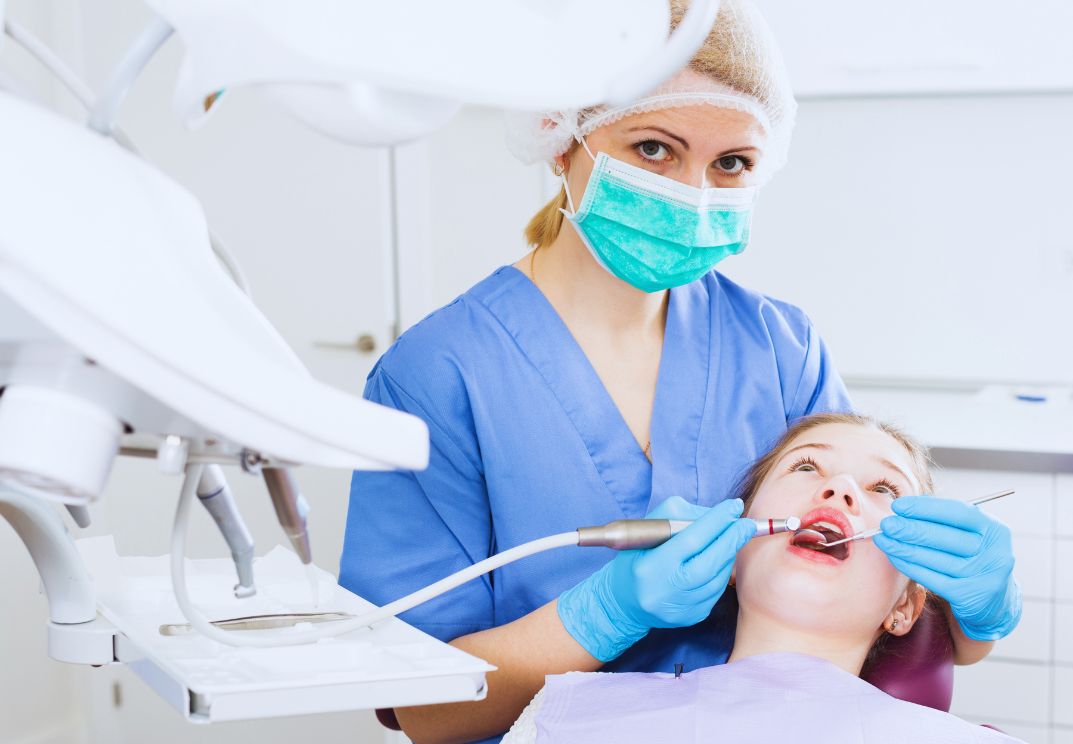
A dental nurse supports the dentist and helps patients receive safe, effective care. It is a hands-on role with both clinical and administrative responsibilities, so no two days are exactly the same.
In practice, a dental nurse may prepare treatment rooms, sterilise instruments, mix materials, update patient records, support infection prevention procedures, and reassure nervous patients. During treatment, they work closely with the dentist by passing instruments, maintaining a clean working area and helping procedures run smoothly.
The role also involves professionalism, accuracy and communication. You are often one of the first people a patient speaks to, which means your manner can shape their whole experience. If you are calm, organised and comfortable working with people, that is a strong foundation.
How to become a dental nurse: the main route
In the UK, the usual route is to complete an approved dental nursing qualification and then register with the General Dental Council, often called the GDC. Registration is essential if you want to work as a qualified dental nurse.
There are different training pathways, but most learners follow one of two broad options. Some start in a trainee dental nurse role while studying towards a recognised qualification. Others begin with preparatory learning to build confidence and understand the sector before moving into formal training.
This is where flexible online learning can be especially useful. If you are new to healthcare, a self-paced course can help you develop your knowledge of dental nursing, infection control, patient care and workplace expectations before you apply for jobs or qualifications. It will not replace a regulated qualification where one is required, but it can help you get started with far more confidence.
What qualifications do you need?
To become a registered dental nurse, you typically need a qualification that is approved by the GDC. Common examples include dental nursing diplomas delivered through colleges or specialist training providers.
Entry requirements vary depending on the provider. Some ask for GCSEs or equivalent, often including English, maths or science. Others are more flexible, especially for adult learners with work experience, transferable skills or evidence that they can study at the right level.
It is worth checking one important point early. A short online course in dental nursing can be excellent for career preparation, subject knowledge and CPD, but it is not always the same as a GDC-approved qualification. That is not a drawback if your goal is to explore the field, strengthen your CV or prepare for the next step. It simply means you should match the course to your career stage.
Can you train while working?
Yes, and for many people this is the most realistic option. Many trainee dental nurses work in a dental practice while completing their studies. This gives you day-to-day exposure to real clinical settings and helps you build practical competence alongside theory.
The advantage is obvious. You earn experience while learning, and employers often value candidates who already understand how a practice runs. The challenge is that balancing work and study takes discipline. If you already have family commitments or a full timetable, flexible online study can make a big difference because you can learn in the evenings, at weekends or whenever you have space.
This is one reason adult learners often prefer accessible, self-paced education. A platform such as Skill Touch can help learners build foundational knowledge around healthcare practice and professional development without the rigidity of a classroom schedule.
Skills that matter most in dental nursing
Qualifications are essential, but employers look closely at practical strengths too. Dental nursing is not just about technical tasks. It is about reliability, teamwork and patient care.
Communication is one of the biggest assets. Patients may feel anxious, embarrassed or uncomfortable, and your ability to explain, reassure and stay calm is part of good care. Attention to detail matters because clinical settings depend on accuracy. You also need good organisational skills, as appointments, records, infection control procedures and equipment preparation all require consistency.
You do not need to be naturally outgoing to do well, but you do need to be professional, compassionate and willing to learn. Employers can often train technical processes. Mindset is harder to teach.
How long does it take?
The timeframe depends on your route. A full dental nursing qualification often takes around 12 to 24 months, particularly if you are combining study with practical placement or paid work. Some learners move faster, while others take longer depending on provider requirements and personal commitments.
If you are at the very start and still exploring whether the role suits you, an introductory online course can help you make that decision sooner. That can save time and money in the long run, especially if you want to test your interest before committing to formal professional training.
What is GDC registration and why does it matter?
The General Dental Council regulates dental professionals in the UK, including dental nurses. Once you complete an approved qualification, you can apply for registration. Without GDC registration, you cannot practise as a qualified dental nurse in the usual sense.
Registration shows that you meet professional standards and are fit to work in the role. After registering, you also need to maintain your status through ongoing professional development. That is where CPD becomes important.
For learners thinking long term, this is a positive rather than a barrier. A regulated profession gives your training real value. It also creates progression opportunities because you are building a recognised career, not just completing a one-off course.
Salary and career prospects
Dental nursing can offer a stable and worthwhile income, though pay varies by location, experience, employer and additional skills. Entry-level or trainee roles will usually pay less than fully qualified positions. As you gain experience and complete further training, your earning potential can improve.
There is also room to progress. Some dental nurses move into specialist areas such as orthodontics, sedation nursing or oral health education. Others develop into practice management, dental radiography, treatment coordination or teaching and assessing roles.
That progression is one of the strongest reasons to consider this path. You are not locked into one narrow job for life. With the right training and commitment, dental nursing can open several related career directions.
Is dental nursing a good career for adult learners?
For many people, yes. It suits learners who want a vocational role with a clear purpose and a practical route into healthcare. It can be especially appealing if you want a career that feels stable, structured and people-centred.
It is also more accessible than some healthcare professions because there are multiple ways to begin. You do not necessarily need a traditional full-time university route. If flexibility matters to you, starting with online study can make the journey feel far more manageable.
That said, it is not the right fit for everyone. The role can be busy, physically demanding and detail-heavy. You will spend much of your day on your feet, and you need to be comfortable around clinical procedures. If that feels off-putting, it is better to know early and explore other healthcare options.
A practical way to get started
If you are serious about becoming a dental nurse, start by researching approved qualifications and local trainee opportunities. At the same time, build your confidence with introductory learning that helps you understand the profession, the work environment and the skills employers expect.
That combination often works best. You gain clarity before committing, strengthen your application, and begin learning in a way that fits around the rest of your life. For busy adults, that flexibility is not just convenient. It can be the difference between postponing a career move and actually making one.
Dental nursing is a career built on trust, care and professional standards. If you are organised, compassionate and ready to invest in recognised learning, it can be a realistic and rewarding next step.