No products in the cart.
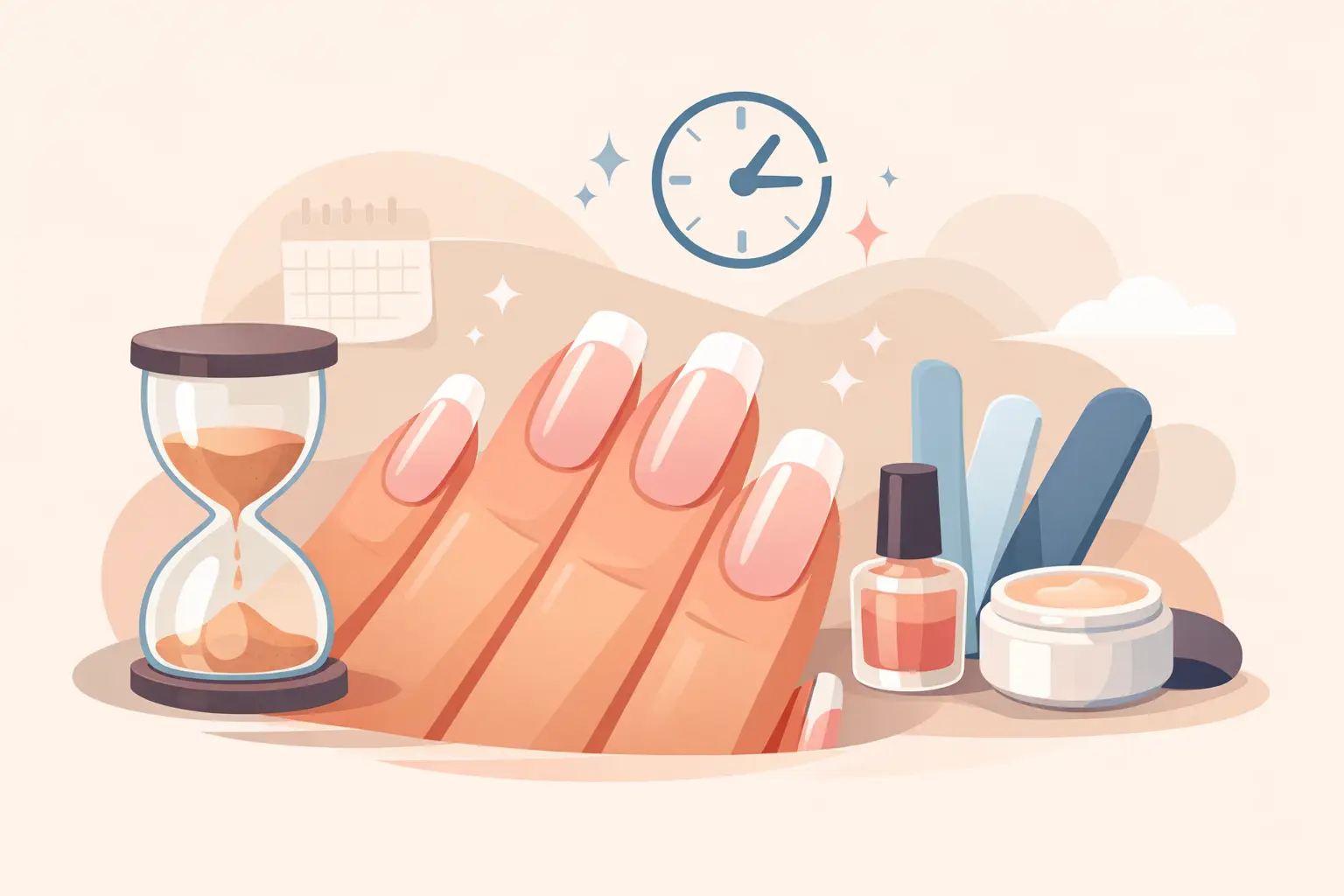
Natural henna has been used for body art for many years. People enjoy it for weddings, festivals and simple decoration. A common question is how long the stain stays on the skin. In most cases, it lasts around 7 to 14 days and fades slowly as the skin naturally renews itself.
The exact time is different for everyone. It depends on skin type, body area and daily care. Henna can stay up to 2 to 3 weeks on palms and soles because the skin is thicker there. On arms, legs and back, it usually fades in 1 to 2 weeks. Knowing this helps you plan better for events and special moments.
What is the Real Lifecycle of a Henna Stain?
A henna stain does not stay the same after you apply it. It goes through a clear lifecycle on the skin. First, the fresh paste sits and slowly releases colour into the top skin layer. Next, the stain appears dark within 24 to 48 hours. Then it reaches its peak shade and looks bold and rich.
After that, the colour slowly starts fading as the skin naturally renews itself. Most henna lasts around 7 to 14 days. Thicker skin areas hold it longer. Over time, it lightens, softens and finally disappears. Proper care helps the design last longer and look better.
Why Does the Quality of Powder Change the Result?
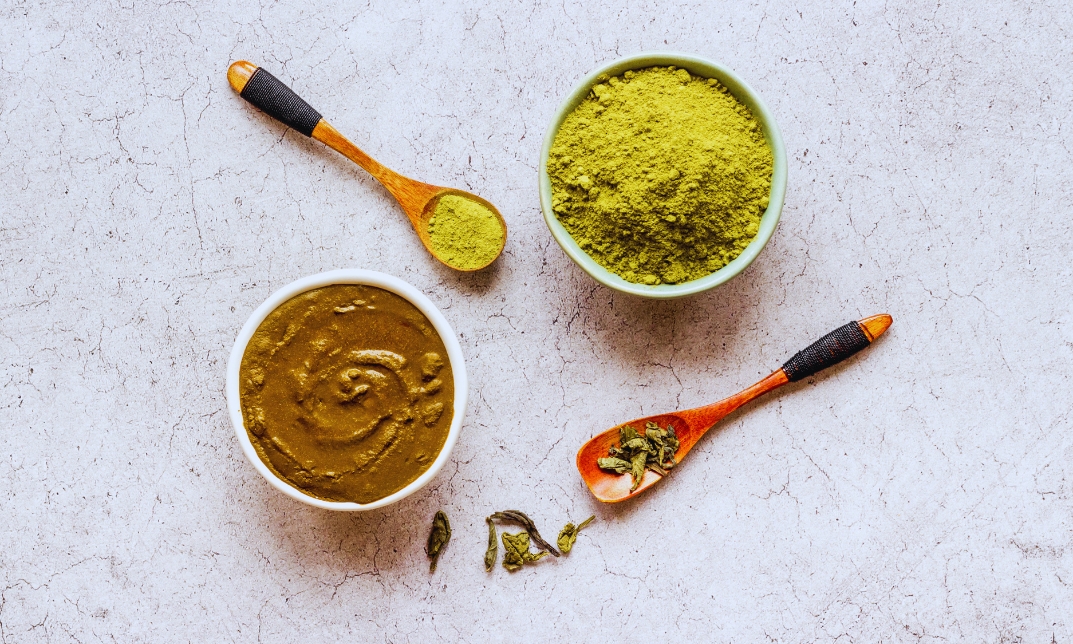
Not all henna powders are the same. Always choose “body art quality” henna for the skin. It is finely sifted and smooth and gives a better stain. Good quality powder creates darker, longer-lasting and cleaner designs.
- Check the Label: Look for the words “Body Art Quality” for the best results.
- Feel the Texture: The powder should be very fine, like icing sugar or flour.
- See the Colour: Pure henna powder should be a dull, natural green.
- Smell the Scent: It should smell like dried grass or hay, not chemicals.
Is Lawsonia Inermis the Only Safe Ingredient?
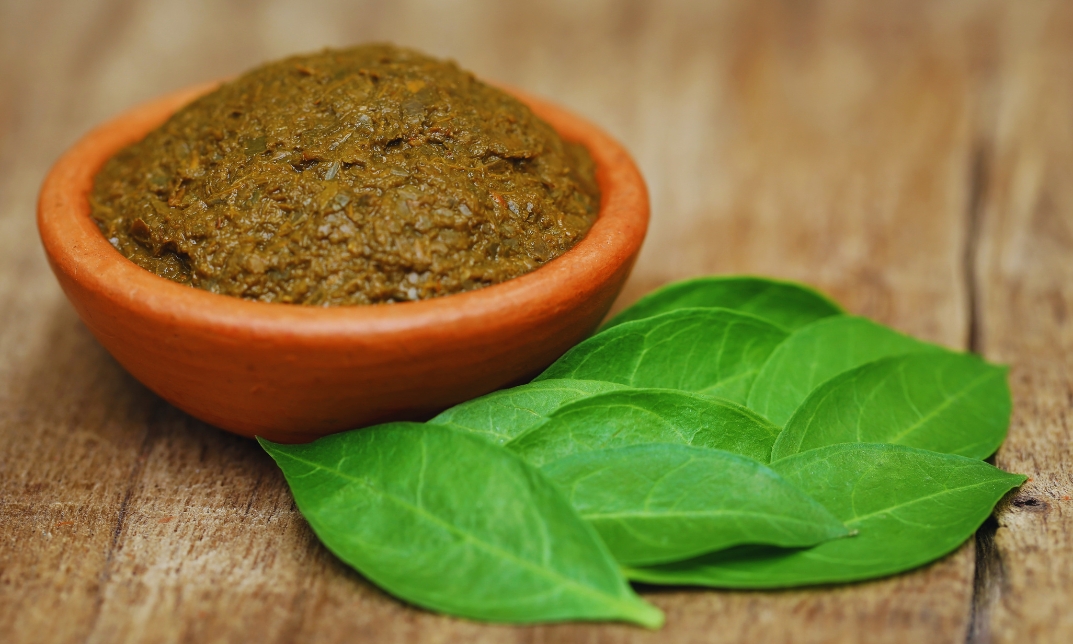
This is the scientific name for the henna plant. If you see this on the label, you are in good hands. Safe henna brands are very honest about what they use. They do not have any secrets. A pure product usually has just a few simple ingredients. It might have the plant powder, some water and essential oils.
The interesting thing is that many people trust a brand just because of the name. But you must read the back of the packet every time. If you see long, chemical names, be very careful. Real henna does not need chemicals to look great. It has been used safely for thousands of years.
Why Should You Avoid Products That Promise Instant Black?
Products that promise instant black henna may look attractive, but they are often unsafe. Many of these mixes contain strong chemicals that can damage your skin. In some cases, they cause burns, itching or long-term scars. Natural henna takes time to develop colour, but it is much safer and gentler on the skin.
Instant black dyes can also trigger allergic reactions. Once used, they may leave uneven or patchy stains. So, always choose natural henna from trusted sources. It gives a softer brown tone that darkens over time. Safe choices protect your skin and still give beautiful, lasting designs.
How Does the Oxidation Process Create the Final Colour?
Oxidation is what helps henna develop its rich colour. The stain darkens over 1-2 days as it reacts with air and skin. Warmth can speed up the process, so many people keep their hands covered. Avoid water during this time for a deeper, longer-lasting stain.
- Be Patient: Give the stain at least 48 hours to reach its final dark colour.
- Stay Warm: Keep your skin warm to help the dye bond better.
- Avoid Water: Try not to wash the area for the first 24 hours.
- Natural Changes: Remember that orange is the first step to a dark brown.
Which Parts of Your Body Hold the Stain Longest?
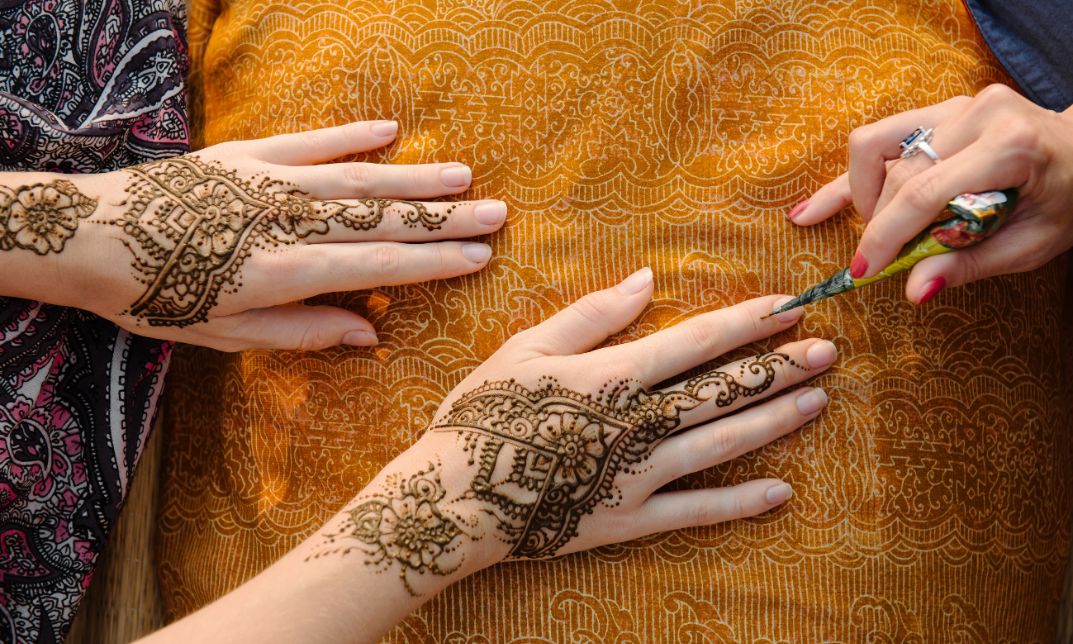
Where you put the henna changes how long it lasts. The skin on your palms and the soles of your feet is very thick. This thick skin has more keratin. Henna loves to stick to keratin. Because of this, the stain on your hands will be very dark. It can last up to two weeks there.
On your arms or legs, the skin is much thinner. The stain there might be lighter and fade in about seven days. The surprising part is that even your body heat helps. Areas that stay warm usually get a better colour. If you want a long-lasting design, choose your hands for the best result. It will stay bright for longer.
What are the Best Ways to Protect Your New Design?
Protecting a fresh henna design is simple if you follow the right steps. First, keep the paste on for at least 6 to 8 hours or overnight for a deeper colour. After removing it, avoid water for the first 24 hours. This helps the stain settle properly.
After that, apply a light coat of oil or balm to lock in moisture. Try not to rub or scratch the area. Also, avoid swimming, hot showers and strong soaps for a few days. These can fade the design faster. With gentle care and patience, your henna will stay darker and sharper and last much longer.
How Can You Tell if Your Henna is Fresh or Old?
Fresh henna powder gives the best and darkest stain. Old or stale powder loses its dye strength and fades quickly. Good powder stays green and is stored in cool, dark places. That’s why trusted sellers usually give better and longer-lasting results.
- Location Matters: Palms and soles always give the darkest results.
- Protect with Oil: Use a natural oil before showering to shield the stain.
- Avoid Scrubbing: Be gentle when drying your skin with a towel.
- Freshness First: Always buy powder that is bright green and smells like grass.
Why Do Some Brands Hide Their True Ingredients?
Some brands hide ingredients to protect their formulas. They do not want others to copy their product. In some cases, they use low-quality fillers but present them as premium. Clear labelling would expose this.
Also, marketing plays a big role. Simple labels often look cleaner and more appealing to buyers. So, brands avoid full details to keep trust and sales high.
Another reason is weak regulation in some markets. This allows vague ingredient lists. As a result, customers may not know what they are really using. That is why checking ingredients always matters before buying any product.
What are the Real Risks of Using Black Henna?
Black henna looks attractive, but it can be risky. Unlike natural henna, it often contains a chemical called PPD. This can cause strong skin reactions. Some people develop redness, swelling or painful burns within hours. In the worst cases, it may leave permanent scars or dark patches on the skin.
Many users think it is safe, but it is not the same as natural henna. Allergic reactions can happen even after one use. That is why experts always warn against it. If you want safe body art, natural henna is the better choice. It gives a beautiful stain without harming your skin.
How Do You Perform a Proper Safety Patch Test?
Anyone can be allergic to natural or chemical products. So a patch test is important every time. Use a small amount to your inner arm and wait 24 hours. Check for redness, itching or any skin reaction and wash off if needed. This simple step helps you stay safe before using henna fully.
- Inner Arm: This is the best place to test for a reaction.
- Wait Time: Always wait a full 24 hours before doing the full design.
- Watch for Heat: Any burning or stinging is a sign to stop.
- Safety First: Even natural products need to be tested for allergies.
Why is Slow Beauty Better Than a Quick Fix?
Slow beauty focuses on care, patience and natural results. It does not rush the process, so your skin and hair stay healthier. Quick fixes may give fast results, but they often damage the skin over time. With slow beauty, you choose natural methods like henna, oils and gentle care.
These improve your look in a safe and lasting way. The results may take time, but they feel more real and balanced. You also avoid harsh chemicals that can cause long-term problems. In the end, slow beauty builds lasting confidence. It works with your body. Not against it.
Final Thoughts
Overall, slow beauty is about patience and care. It focuses on natural methods that support long-term skin and hair health. Unlike quick fixes, it avoids harsh chemicals and reduces damage over time. The results may take longer, but they feel more natural and lasting. It also builds better habits for daily self-care. In the end, slow beauty gives you a healthier look and steady confidence that grows with time.