No products in the cart.
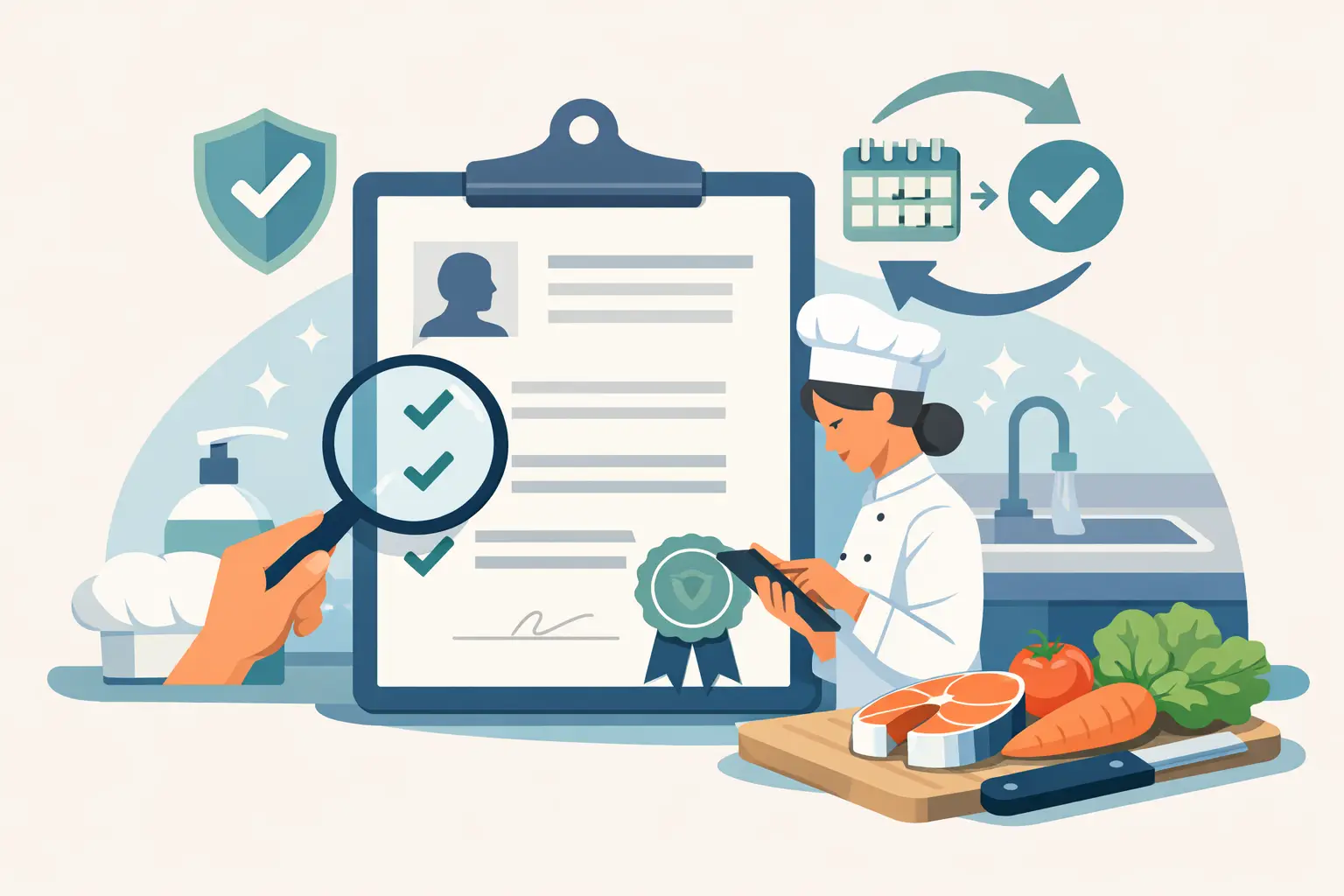
A missed temperature check, poor handwashing, or raw food stored in the wrong place can turn a normal working day into a serious food safety issue. That is why online food hygiene training matters. For anyone working with food – whether in catering, retail, hospitality, care, education, or home-based food businesses – the right training is not just a box to tick. It builds safer habits, stronger confidence, and a clearer understanding of what good practice looks like in real settings.
Why online food hygiene training works so well
Food safety training has always been essential, but the way people access it has changed. Classroom sessions still have a place, especially in larger organisations with complex operations, yet they are not always practical. Shift patterns, staff turnover, travel time, and limited availability can all make in-person learning harder to manage.
Online food hygiene training gives learners a more flexible route. It allows staff to study at a pace that suits them, revisit modules when they need a refresher, and fit training around work and family commitments. For employers, it can make onboarding faster and compliance planning much easier.
That flexibility is especially valuable in sectors where time is tight. A café owner may need to train new starters quickly before a busy weekend. A care worker may need updated knowledge without taking time out for a full day in a classroom. An individual hoping to improve their CV may want recognised training they can complete from home. In each case, online learning removes unnecessary barriers.
What learners actually gain from food hygiene training
The most useful courses do more than explain rules. They show people how those rules apply in everyday tasks. That could mean understanding cross-contamination risks during prep, knowing why temperature control matters, or recognising the cleaning standards expected in shared kitchen environments.
Good training helps learners connect the theory to the workplace. Instead of memorising terms, they start spotting risks before they become problems. That shift matters. A person who understands why sanitising surfaces correctly protects customers is far more likely to follow the process properly, even during a busy service.
There is also a confidence benefit that is often overlooked. Many learners, especially those entering food handling roles for the first time, worry about getting things wrong. Completing structured training gives them a clearer foundation. They are not relying on guesswork or picking up mixed messages from colleagues. They know the basics and can work with more assurance.
Who should take online food hygiene training?
The short answer is anyone who handles food or works in an environment where food safety affects the public. That includes kitchen assistants, chefs, servers, food retail staff, carers, school staff, childcare workers, and mobile food traders. It can also be relevant for business owners who supervise teams, even if they are not preparing food every day themselves.
The level of training needed can depend on the role. Someone working in low-risk food handling may need a different level from a supervisor managing stock rotation, cleaning schedules, and kitchen procedures. This is where a practical course choice matters. The goal is to match training to responsibility rather than assume one version suits everyone.
For jobseekers, having food hygiene training already completed can also be a useful advantage. Employers often favour candidates who can start with the basics in place. It shows initiative, awareness, and a willingness to meet workplace standards from day one.
What to look for in an online food hygiene training course
Not all courses offer the same value. Price matters, but it should not be the only factor. A low-cost course that is difficult to follow, poorly structured, or unclear about certification can end up wasting time.
A strong course should be easy to access, simple to navigate, and designed for real learners rather than specialists. Clear modules, straightforward language, and practical examples make a big difference, particularly for people returning to study after a long break.
Accreditation is another key point. For many learners and employers, accredited training offers reassurance that the content meets recognised standards. Certification also matters. If a learner is taking the course to support employment or workplace compliance, they need a certificate that is easy to obtain and simple to share.
Support should not be ignored either. Even self-paced learners benefit from knowing help is available if they have questions about access, course structure, or certification. That support can be especially important for employers enrolling multiple staff members.
Online food hygiene training for employers
For businesses, training is often about more than individual development. It is part of wider operational responsibility. Staff need clear knowledge, managers need visibility, and customers expect safe standards as a minimum.
Online delivery can help employers train teams more efficiently, especially across multiple roles or locations. It is often easier to schedule than classroom learning, and it reduces disruption to rotas. New starters can begin training quickly, while existing staff can refresh their knowledge without waiting for a group session.
That said, online training works best when employers treat it as part of a wider food safety culture. A certificate on its own does not guarantee good practice. Staff still need supervision, clear procedures, and the chance to ask questions in the workplace. Training gives them a foundation, but management has to reinforce it day to day.
This is where the balance matters. If a business only wants a fast certificate, the benefit may be limited. If it uses training to support better standards, clearer accountability, and stronger confidence across the team, the results are far more useful.
Common concerns about studying online
Some learners worry that online training will feel too basic or too isolated. Others assume it will be harder to stay motivated without a tutor in the room. Those concerns are understandable, but they often depend on course design.
A well-built online course is structured to keep learning manageable. Short modules, clear explanations, and assessments along the way can make study feel more achievable. For many adults, this format is actually easier than attending a scheduled session. They can pause, return later, and revisit content when needed.
There is also a common question about whether employers accept online certificates. In many cases, yes – provided the training is relevant, credible, and suits the role. The key is choosing a course that is transparent about its accreditation and learning outcomes.
For busy adults, convenience is not a luxury. It is often the difference between training being completed and training being postponed for months. That is why flexible access matters so much.
Choosing training that fits your goals
If your aim is to start work in a food-related role, a straightforward food hygiene course can strengthen your application and help you feel more prepared. If you are already employed, the right course can refresh your knowledge and support your current responsibilities. If you manage others, it can help you maintain standards and train your team more consistently.
It is worth being honest about what you need. Some learners need a quick, recognised qualification for work. Others want a deeper understanding because they are responsible for daily food safety decisions. A good training provider should make that choice clearer, not more confusing.
Platforms such as Skill Touch appeal to learners for exactly this reason – flexible access, clear course options, and certification that supports real progression. For adult learners balancing work, family, and career goals, that practical approach can make professional development feel far more achievable.
Why this matters beyond compliance
Food hygiene training is often framed around rules, inspections, and legal responsibilities. Those things matter, of course. But there is a more human side to it. Safe food handling protects customers, supports public trust, and reduces avoidable mistakes that can damage both people and businesses.
For learners, it can also be a stepping stone. A short course may lead to a first job in catering, a move into supervision, or greater confidence in a current role. Sometimes progress starts with something simple, affordable, and immediately useful.
If you need a practical way to build knowledge, gain a recognised certificate, and study around your existing commitments, online food hygiene training is a smart place to start. The best course is not always the longest or the cheapest. It is the one that gives you clear learning, trusted certification, and the confidence to apply good practice where it matters most.