No products in the cart.
If you have ever been asked to report an accident at work and wondered what does RIDDOR do, you are not alone. For many employees, supervisors, and business owners, RIDDOR sounds technical until a real incident happens. Then it becomes very practical, very quickly. Knowing what it does can help you respond properly, protect people, and avoid costly mistakes.
RIDDOR stands for the Reporting of Injuries, Diseases and Dangerous Occurrences Regulations. It is a UK legal framework that requires certain serious workplace incidents to be formally reported to the relevant enforcing authority. In most cases, that means the Health and Safety Executive, although some workplaces are overseen by local authorities.
Put simply, RIDDOR is there to make sure serious health and safety incidents are not hidden, ignored, or dealt with informally when they need official attention. It helps regulators spot patterns, investigate risks, and improve workplace safety standards across different industries.
What does RIDDOR do in practice?
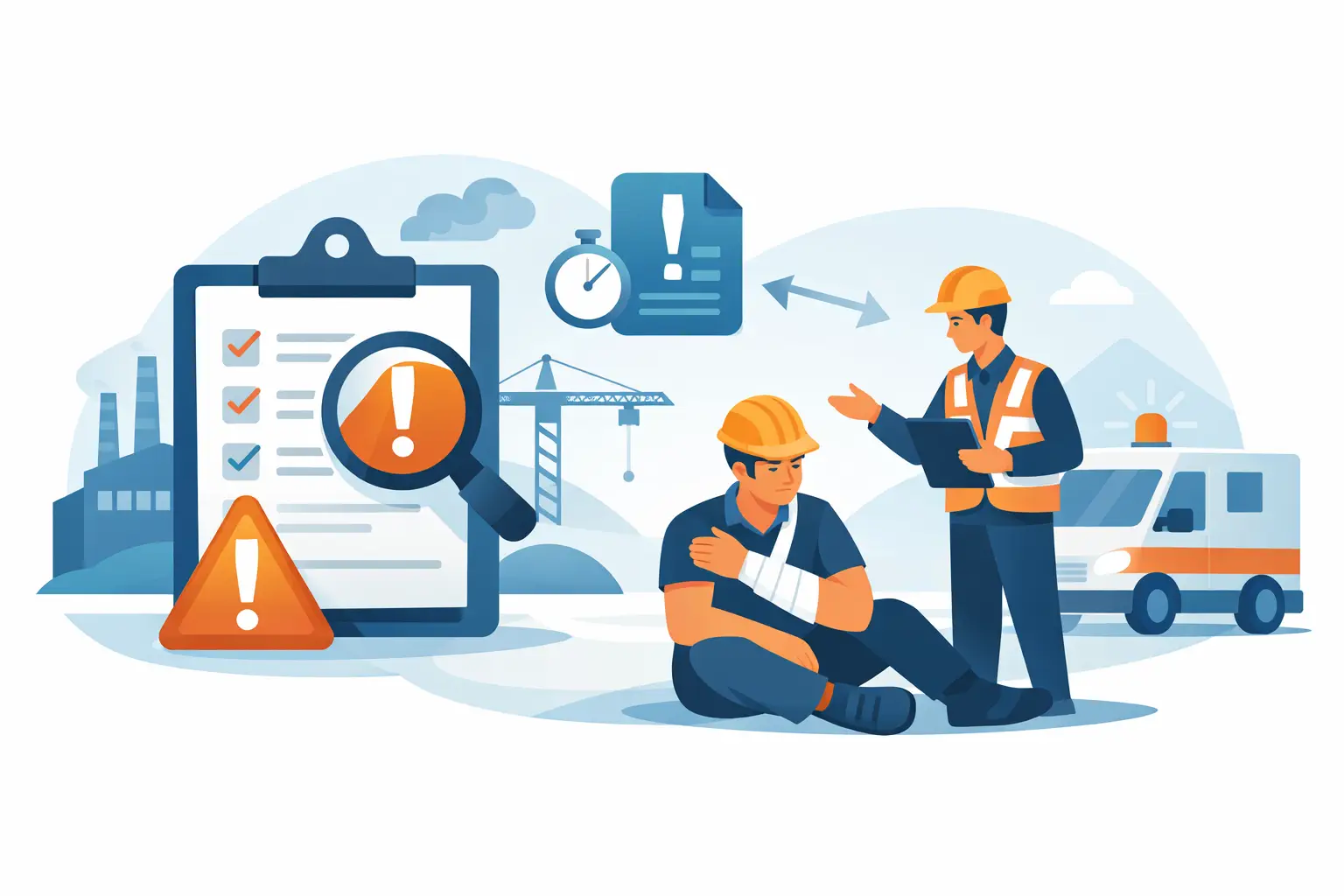
In practice, RIDDOR creates a legal duty to report specific incidents connected to work. It does not mean every small accident has to be reported. A minor cut that needs a plaster and nothing more will usually stay in the accident book, not go through a RIDDOR report.
What RIDDOR does is set a clear threshold. When an incident is serious enough, or when a work-related condition meets reporting criteria, the responsible person must notify the relevant authority. This gives regulators visibility over events that could point to unsafe systems, dangerous environments, poor training, or faulty equipment.
That matters because a single incident is rarely just a one-off. A fall from height, an electrical injury, a machinery entanglement, or a case of occupational dermatitis can reveal deeper problems. Reporting helps those risks get recognised before more people are harmed.
What kinds of incidents does RIDDOR cover?
RIDDOR covers several categories, and this is where many people get confused. It is not just about dramatic accidents. It also includes certain illnesses and dangerous near misses.
A report may be required for work-related deaths, specified injuries, injuries leading to more than seven days away from normal work duties, certain occupational diseases, dangerous occurrences, and incidents involving members of the public in some workplace settings.
Specified injuries include serious harm such as fractures other than fingers, thumbs and toes, amputations, permanent loss or reduction of sight, crush injuries affecting internal organs, serious burns, scalpings requiring hospital treatment, and injuries caused by closed-space incidents that lead to resuscitation or hospital admission.
Dangerous occurrences are also important. These are serious near misses with clear potential to cause harm. Examples include the collapse of lifting equipment, electrical short circuits causing fire or explosion, or accidental release of a hazardous substance. No one may have been injured, but the event still matters because the risk was significant.
Occupational diseases can also fall under RIDDOR if a doctor diagnoses a condition that is linked to a person’s work. This may include carpal tunnel syndrome, severe cramp of the hand or forearm, occupational dermatitis, hand-arm vibration syndrome, occupational asthma, tendonitis, or certain exposure-related illnesses.
Who is responsible for reporting?
One of the biggest misunderstandings is that every employee must submit a RIDDOR report themselves. Usually, that is not the case. The legal duty normally sits with the responsible person. This is often the employer, but it can also be a manager, self-employed person, or someone in control of work premises.
For example, if you run a construction site, manage a care setting, supervise a warehouse, or operate a food business, you may be the person expected to report qualifying incidents. In a larger organisation, health and safety officers or HR teams may handle the paperwork, but the legal responsibility still belongs to the organisation or duty holder.
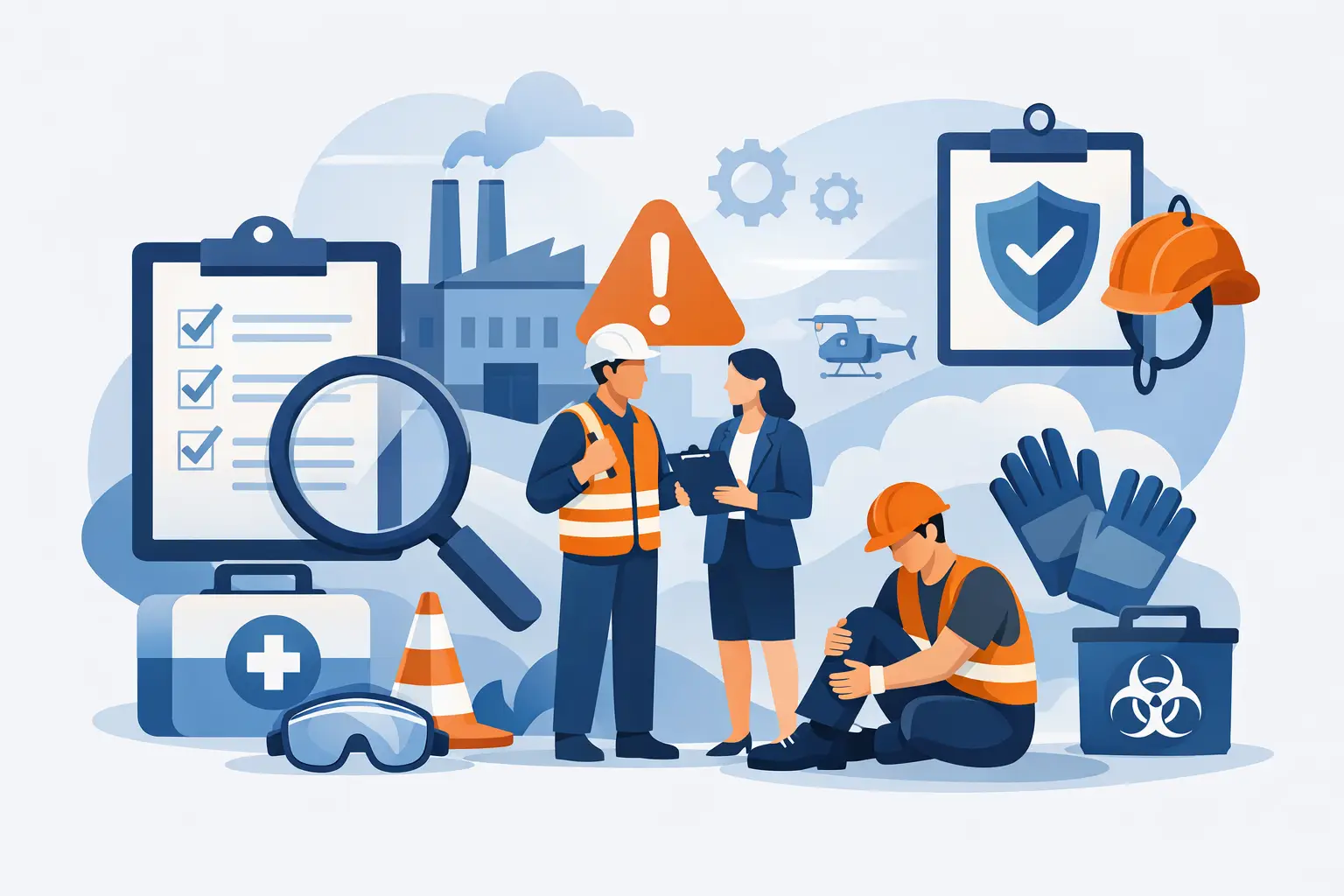
Employees still play an essential part. They should report accidents, symptoms, unsafe events, and concerns internally as soon as possible. If incidents are not recorded internally, the responsible person may miss a reporting deadline or fail to recognise that the event is reportable.
When does an incident become reportable?
This is where context matters. RIDDOR only applies when the incident is work-related and falls within the reporting criteria. Those two tests are both important.
Work-related means the way the work was carried out, the equipment used, the condition of the site, or the actions of someone at work contributed to what happened. If a worker simply faints because of an unrelated personal medical condition and work played no part, it may not be reportable under RIDDOR. If poor ventilation, chemical exposure, unsafe lifting, or defective machinery contributed, the situation changes.
Timing matters too. Some incidents must be reported without delay, such as fatalities and major dangerous occurrences. Others, such as over-seven-day injuries, must be reported within the relevant reporting period once the threshold is met.
This is why accurate records are so valuable. If a worker returns to light duties after three days, the case may not be reportable on absence grounds. If they remain unable to do their normal work for more than seven consecutive days, it may become reportable. Good record-keeping helps you make the right call.
Why RIDDOR matters beyond legal compliance
It is easy to see RIDDOR as just another regulation. In reality, it supports something much bigger – a safer working environment.
When reportable incidents are logged properly, patterns become easier to identify. Regulators can spot sectors with recurring hazards. Employers can review whether training is adequate. Managers can ask whether risk assessments are realistic or simply sitting in a file untouched.
For learners building careers in health and social care, construction, education, hospitality, or office-based roles, understanding RIDDOR also improves day-to-day confidence. You do not need to be a health and safety specialist to benefit from knowing what should be reported and why. It helps you recognise risk, respond calmly after an incident, and contribute to a stronger safety culture.
There is also a business case. Failing to report can lead to enforcement action, reputational damage, and lost trust. On the other hand, organisations that take reporting seriously often take prevention seriously too. That tends to lead to better procedures, stronger training, and fewer repeat incidents.
What RIDDOR does not do
RIDDOR has limits, and knowing them is just as useful as knowing what it covers.
It does not replace an accident book. Internal records are still needed for everyday incidents, even when they are not reportable. It does not automatically mean someone is at fault. A report is not the same as admitting negligence. It is simply a legal notification that a qualifying event happened.
It also does not remove the need for risk assessments, staff training, supervision, or safe systems of work. Reporting is reactive by nature. It happens after something has gone wrong or almost gone wrong. Real safety management starts much earlier.
This is where training makes a difference. A team that understands reporting duties, hazard awareness, manual handling, fire safety, infection control, food hygiene, or safeguarding is far better placed to prevent incidents before they meet any reporting threshold.
Common mistakes people make with RIDDOR
A frequent mistake is assuming every workplace injury is reportable. That leads to confusion and unnecessary admin. The opposite mistake is more serious – assuming a serious event is just an internal matter when it clearly meets RIDDOR criteria.
Another common problem is poor judgement around work-relatedness. Not every illness that appears at work was caused by work, but not every delayed symptom is unrelated either. Repetitive strain, stress-related issues, respiratory problems, and skin conditions can be especially tricky. This is why proper documentation and, where needed, medical input are important.
Some organisations also focus too narrowly on the form itself. The form matters, but the learning afterwards matters more. If a report is submitted and then no one reviews the root cause, updates training, or checks whether controls are effective, the reporting process has only done half the job.
What should you do if you are unsure?
If you are unsure whether an incident is reportable, start by recording the facts clearly. Note what happened, who was involved, what injuries or symptoms occurred, whether time off work was needed, and what work-related factors may have contributed.
Then check the reporting criteria carefully and speak to the person responsible for health and safety in your organisation. In many workplaces, uncertainty comes from lack of training rather than lack of care. A short health and safety course can give staff and managers the confidence to make informed decisions quickly, especially in sectors where compliance is part of everyday work.
For adult learners trying to strengthen their workplace knowledge, this is exactly the kind of practical understanding that supports progression. Whether you are moving into a supervisory role, updating mandatory training, or improving your CV with recognised learning, health and safety knowledge remains valuable across industries.
RIDDOR is not there to catch people out. It is there to make serious incidents visible, improve accountability, and reduce the chance of the same thing happening again. When people understand that, reporting stops feeling like paperwork and starts looking like prevention.