No products in the cart.
When someone is injured or suddenly unwell, people rarely worry about perfect wording – they want to know what to do first. If you have ever asked what are the 3ps of first aid, the answer is simple, practical, and highly useful in real emergencies: protect, prevent and promote recovery.
These three principles give first aiders a clear framework for acting quickly without making the situation worse. They are especially helpful for beginners, workplace staff, carers, teachers, and anyone completing training to build confidence. Rather than memorising dozens of separate actions, you can use the 3Ps to guide your decisions from the moment you arrive.
What are the 3Ps of first aid?
The 3Ps of first aid are protect, prevent and promote recovery. They form a basic decision-making model that helps you respond in a safe, sensible, and effective way.
Protect means protecting yourself, the casualty, and anyone else nearby from further danger. Prevent means preventing the condition from worsening. Promote recovery means helping the person recover as well as possible while waiting for further medical help or after immediate danger has passed.
This matters because first aid is not only about treatment. It is about priorities. In many situations, the wrong first move can increase the risk to everyone involved. The 3Ps keep your actions focused on safety first, then stabilisation, then support.
Protect – make the scene safe first
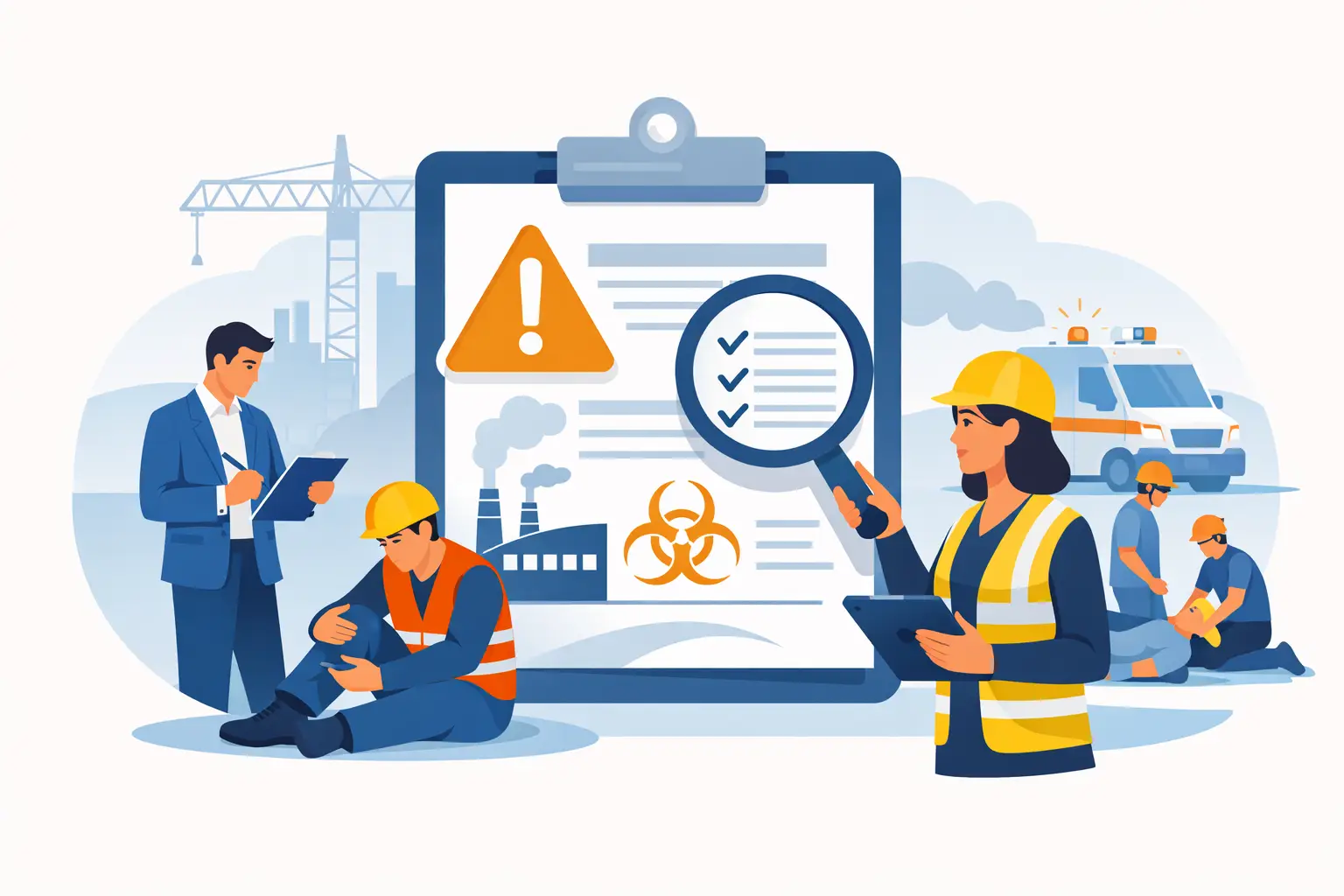
The first P is protect. Before you rush in, stop and assess the situation. A casualty may need help urgently, but if the area is dangerous, becoming a second casualty helps no one.
Protection starts with scanning for hazards. That could mean traffic after a road incident, exposed wires, broken glass, fire, chemicals, aggressive behaviour, or even bodily fluids that carry infection risk. In a workplace, it may involve machinery, slippery floors, or hazardous substances. At home, it might be something as simple as a trailing cable or a hot pan.
Protecting also includes basic infection control. If gloves or other protective equipment are available, use them. If they are not, you still need to judge the situation carefully and avoid direct contact with blood or other fluids where possible. Good first aid is practical, not reckless.
You should also protect the casualty from further harm. If they are in immediate danger and it is safe to move them, you may need to remove them from the hazard. If moving them could cause more injury, especially if you suspect spinal damage, it is usually better to keep them still and call for emergency help.
This is where first aid often depends on context. For example, moving someone away from smoke is sensible. Moving someone with a possible neck injury for convenience is not. The protect stage is about making safe judgments, not rushing into action without thinking.
Prevent – stop the condition getting worse
Once the area is safe, the next priority is to prevent the casualty’s condition from worsening. This is where many of the practical actions people associate with first aid come in.
If someone is bleeding heavily, preventing deterioration means controlling the bleeding with firm pressure and appropriate dressings. If someone is unconscious but breathing, it means placing them in the recovery position to help keep their airway clear. If a person is choking, it means responding quickly with recognised first aid techniques. If they have signs of shock, it means helping them rest, keeping them warm, and monitoring them closely.
Prevention also means getting the right help early. Calling 999, asking a bystander to fetch an automated external defibrillator, informing a workplace first aider, or seeking urgent medical advice are all part of preventing a situation from becoming more serious.
In some cases, doing less is the safest option. A person with a suspected fracture should not be encouraged to walk it off. Someone having a seizure should not be restrained. If a burn has occurred, you should cool it properly rather than applying creams or ice. First aid is as much about avoiding harmful mistakes as it is about taking action.
This principle is especially relevant in workplaces and care settings, where small delays or poor decisions can have serious consequences. A structured response reduces panic and improves outcomes.
Promote recovery – support the best possible outcome
The third P, promote recovery, is about helping the casualty recover as comfortably and safely as possible. That may happen over minutes, hours, or longer depending on the situation.
In immediate first aid terms, promoting recovery often means reassurance, observation, and appropriate aftercare. A calm voice can make a real difference. Many casualties are frightened, confused, or embarrassed. Telling them help is on the way, encouraging them to stay still if needed, and monitoring their breathing and responsiveness are all part of good care.
It can also mean practical steps such as keeping a casualty warm, helping them rest in the most suitable position, giving clear information to emergency services, and making sure they receive further treatment when needed.
Recovery does not always mean the incident is over quickly. Someone who seems better after fainting may still need assessment. A head injury that looks mild can worsen later. A burn that appears small may still require professional advice depending on its location and severity. Promoting recovery includes recognising when follow-up care matters.
This principle is one reason proper training is valuable. It helps people understand not just what to do in the first minute, but what to monitor afterwards and when to escalate concerns.
How the 3Ps work in a real situation
It is easier to remember the 3Ps when you see them in action. Imagine a colleague has slipped on a wet floor and is lying in pain.
First, protect. You check the area, make sure there is no ongoing hazard, and stop others from walking through the same spill. You approach safely and assess the casualty.
Next, prevent. You avoid moving them unnecessarily, especially if they may have injured their back or leg. You call for help, monitor their condition, and keep them still and reassured until trained assistance arrives.
Then, promote recovery. You help keep them comfortable and warm, continue observing for changes, and pass accurate information to first aiders or paramedics.
The same pattern applies in many settings – schools, homes, building sites, kitchens, offices, and public places. That is why the 3Ps are so widely taught. They are easy to remember and useful under pressure.
Why the 3Ps matter for everyday learners and workplaces
Many people assume first aid knowledge is only essential for healthcare workers. In reality, the need can arise anywhere. A parent, teacher, colleague, support worker, delivery driver, or team leader may all be first on the scene before professional help arrives.
For adult learners, the appeal of the 3Ps is that they simplify a high-pressure moment. You do not need to be a medical expert to think in order: make it safe, stop it worsening, support recovery. That kind of structure builds confidence.
For employers, the 3Ps are equally valuable because they support safer responses in line with workplace responsibilities. Staff who understand these principles are more likely to react calmly, reduce avoidable harm, and follow sensible procedures.
This is one reason flexible training continues to matter. A well-designed course allows learners to build practical awareness around their schedule, whether they are meeting compliance requirements, changing careers, or adding recognised skills to strengthen their CV. For many learners, online study through providers such as Skill Touch offers an accessible way to gain that knowledge without pressing pause on work or family commitments.
Common misunderstandings about the 3Ps of first aid
One common misunderstanding is that the 3Ps are a treatment checklist for every condition. They are not. They are principles that guide your response. The specific actions still depend on the emergency.
Another mistake is thinking protect only refers to the casualty. In fact, your safety comes first. If you enter a dangerous scene without thinking, you may increase the number of people at risk.
Some people also assume promote recovery simply means waiting for the casualty to feel better. It is more active than that. It includes reassurance, monitoring, positioning, and making sure the person gets suitable next steps.
Finally, the 3Ps do not replace formal first aid training. They give you a strong foundation, but training helps you apply them correctly in situations such as cardiac arrest, burns, choking, seizures, fractures, severe bleeding, and unconsciousness.
What to remember under pressure
If you only remember one thing, remember this: the 3Ps help you set priorities when emotions are high. Protect the scene and the people in it. Prevent the casualty’s condition from getting worse. Promote recovery with calm, appropriate support.
That framework will not answer every clinical question, but it gives you a reliable starting point when every second feels important. And for most people, that is exactly what first aid knowledge should do – turn uncertainty into useful action.