
No products in the cart.
Have you ever turned on your shower and felt only a tiny, weak trickle of water? This common UK problem frustrates many families when they want to wash or clean their homes. Consequently, you might wonder what causes low water pressure in a house. This simple guide helps you find the answers quickly. We will look at common plumbing issues, easy tests, and quick fixes you can try today. Fortunately, most pressure problems are easy to understand and fix. Let us explore why your water flow feels weak and how to bring back a strong, happy shower.
What Causes Low Water Pressure in a House?
Many different issues can make your home’s water flow feel weak and slow. Sometimes, the problem hides inside your walls or under your kitchen sink. On the other hand, the issue might come from the main street pipes. Understanding these causes helps you find the right solution faster. Small blocks, old parts, or even your local water company can change how water flows. Let us look at the most frequent reasons for this annoying household trouble. By learning these facts, you can take control of your home’s plumbing today.
Can old or corroded pipes lower water pressure?
Older British houses often have old iron water pipes under the floors. Over time, rust builds up inside these metal tubes. This rusty buildup narrows the path where water needs to travel. Consequently, your water pressure drops because the pipe becomes too small inside. Think of it like a clogged straw that blocks your drink. This rust can also make your drinking water look slightly brown. If your pipes are very old, replacing them with modern plastic tubes is the best option.
Is your water supplier responsible for low pressure?
Sometimes, the plumbing trouble does not start inside your own property walls. Your local water company might be fixing a broken pipe nearby. Alternatively, they could be testing the water network in your neighbourhood. These temporary network improvements often cause water pressure to drop suddenly. Usually, the company will send a letter or text message to warn you. You can also check their public website for live updates about local roadworks. If they are working nearby, your strong flow should return very soon.
How can you test your home’s water pressure?
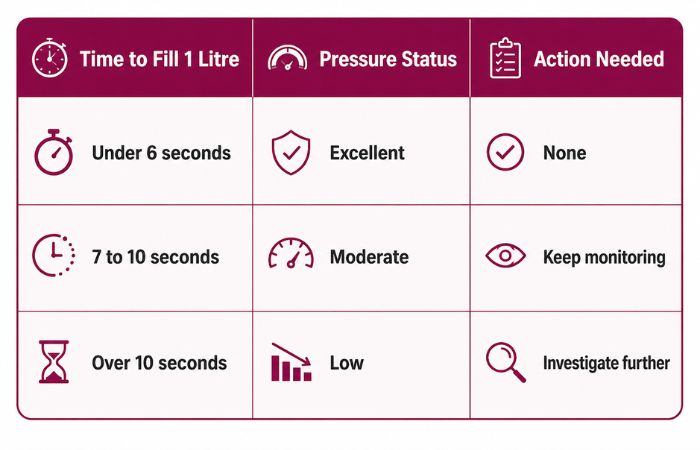
You can measure your water flow using a simple plastic measuring jug and a timer. Hold the jug under your kitchen tap and turn the water on fully. Count how many seconds it takes to fill the jug to one litre. Ideally, a healthy UK water system should fill the jug in six seconds. If the process takes longer than ten seconds, your pressure is low. This quick home test gives you accurate numbers to tell a plumber later. It is a brilliant, free way to check your system.
Can Low Water Pressure Damage Your Home?
Low water pressure seems like a simple annoyance that you can easily ignore. However, weak water flow can actually cause serious, long-term problems for your property. Modern home appliances require a steady stream of water to work safely.
Without enough pressure, your daily routines break down and hidden dangers can grow. Understanding these risks protects your wallet and keeps your household running smoothly. Let us look at how low pressure harms your heating, pipes and monthly budget.
Does low pressure affect boilers and heating systems?
Modern combi boilers need steady water pressure to heat your home safely. If the water pressure drops too low the boiler will shut down completely. This safety feature stops the appliance from overheating and breaking. Consequently, you will have no hot water for showers or central heating for warmth.
You might see an error code flashing on your boiler’s digital screen. If this happens, you must restore the water flow to make the heating work again. A cold house is miserable during chilly winter months.
Can low pressure indicate a hidden plumbing problem?
Sometimes, a drop in water pressure is an early warning sign of danger. It often means a pipe has cracked open beneath your floorboards. If you ignore the weak flow, the leaking water will continue to spread.
This hidden water rots wooden beams and creates smelly, dangerous mould on walls. Eventually the structural strength of your home could suffer serious damage. Therefore, treating low pressure seriously helps you catch dangerous leaks before they destroy your rooms. Never ignore a sudden drop in your water flow.
How Can You Fix Low Water Pressure Yourself?
Fortunately, you do not always need to spend money on an expensive professional. You can fix several common water pressure problems using simple DIY methods. These tasks do not require special training or complex tools to complete. With a little patience, you can improve your home’s water flow this weekend. Taking action yourself gives you a great feeling of practical success. Let us learn about four easy methods to boost your water pressure safely and quickly.
Can bleeding air from pipes improve pressure?
Air bubbles can sometimes get trapped inside your plumbing pipes after maintenance work. These stubborn pockets of air block the smooth path of the flowing water. To solve this, you can bleed the air out of your system. Turn on every tap in your house fully for a few minutes. Let the water sputter and splash until the stream becomes completely smooth. This simple trick pushes the trapped air out into the sink. Once the air leaves, your pressure should return to normal.
When should you replace old plumbing fixtures?
If cleaning your taps does not help, the fixtures might be too old. Internal parts can wear out and block the water permanently over time. Purchasing a modern, budget-friendly tap from a local DIY store is a smart move. Installing a new fixture immediately clears any old blocks hidden inside the metal body. New taps also look beautiful and stop annoying drips that waste water. Choose fixtures that match your home’s current plumbing style for an easy installation.
When Should You Call a Professional Plumber?
While DIY fixes are great, some plumbing situations require expert knowledge and tools. Professional plumbers undergo years of training to handle complex pipe systems safely. Trying to fix a major plumbing disaster yourself can sometimes make things much worse.
Therefore, knowing when to stop and call an expert is very important. A good plumber saves you time, stress, and future repair costs. Let us look at the clear signs that mean you need professional assistance.
What signs require expert inspection?
You must call a plumber if you smell damp earth inside your home. Similarly if your boiler keeps shutting down you need an expert immediately. If you open your main valve fully but the pressure stays low stop trying. These signs indicate a deep hidden problem that requires specialised diagnostic tools. Plumbers can use acoustic microphones to listen for hidden leaks underground without breaking walls. Trusting an expert ensures the repairs are done correctly and safely the first time.
How much does fixing low water pressure cost in the UK?
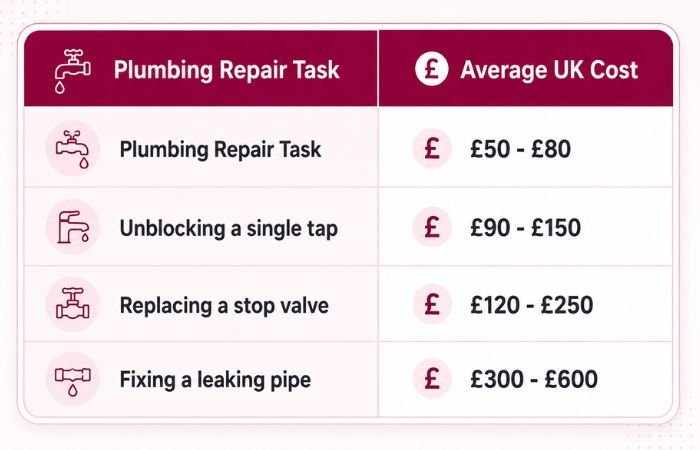
The cost of fixing your pressure depends entirely on the exact cause. Clearing a simple block might only cost a basic call-out fee of fifty pounds. However, replacing old, rusty pipes throughout a house can cost a few thousand pounds.
What questions should you ask before hiring a plumber?
Before hiring a tradesperson you should check their official qualifications carefully. Ask if they possess a valid plumbing license and proper liability insurance. Insurance protects your property if they accidentally cause a leak during the repair. Additionally ask if they offer a guarantee on their repair work. A reliable plumber will gladly answer these questions to make you feel safe. Reading online reviews from other local customers is also a fantastic way to find a trustworthy worker.
How Can You Prevent Low Water Pressure in the Future?
Preventing a plumbing problem is always much better than fixing a broken pipe later. With regular care, you can keep your water running strongly for many years. Simple habits stop dirt from building up and protect your appliances from damage. You do not need to spend lots of money on preventative maintenance. Instead, you just need to check your system consistently throughout the year. Let us explore three practical ways to keep your home’s water pressure perfectly stable.
How often should you inspect your plumbing?
Every six months, you should do a short inspection of your home’s plumbing. Walk around your house, checking under sinks for any minor water drips. Check the colour of your water and test the speed of your faucets. Regular examinations allow you to identify minor issues before they become major emergencies. Set a reminder on your calendar to ensure that you never forget this activity. This easy habit protects your property while also keeping your water strong and clean.
What Maintenance Keeps Water Pressure Stable?
Regularly descaling your showerheads is the finest way to maintain steady water pressure. If you live in a hard water area, do this every three months. Also, keep the area around your external stopcock clean and free from garden dirt. This ensures you can turn off the water quickly if an emergency happens. Never hang heavy wet clothes or bags on indoor copper plumbing pipes. Gentle care stops joints from loosening and prevents dangerous leaks from developing over time.
Can installing a water pressure booster help?
If your local area naturally has weak water pressure, a booster pump helps. This electrical device connects directly to your main incoming water pipe supply. It safely pumps the water faster to increase the pressure across your house.
While a booster pump requires an initial investment, it permanently solves weak flow. You will enjoy powerful showers even when your neighbours are using their water. Speak to a qualified plumber to choose the best pump size for your property.
Conclusion
Dealing with low water pressure is a common hurdle for many homeowners in the UK. However, you now possess the knowledge to tackle this annoying problem step by step. Start by checking whether the weak flow affects one tap or your whole house. Talk to your friendly neighbours and test your system using a simple measuring jug. Clean away white limescale and check your main stop valve under the kitchen sink. These simple, free actions often solve the problem without any professional help.
Frequently Asked Questions (FAQs)
1. How can I fix low water pressure in my home?
- Check that the main stop valve is fully open, clean blocked taps or showerheads and inspect for leaks. If the problem continues, contact a plumber.
2. Who is responsible for low water pressure in my house?
- If the problem is inside your property, you are usually responsible. If it affects the public water supply, your water company is responsible.
3. Why is my water pressure so low but no leak?
- Low pressure without a leak can be caused by blocked pipes, mineral build-up, a faulty pressure-reducing valve or high local water demand.
4. How can I increase my low water pressure?
- Clean fixtures, fully open the stop valve, replace old pipes if needed or install a water pressure booster after professional advice.
5. How much would a plumber charge to fix water pressure?
- In the UK fixing low water pressure typically costs between £80 and £300 depending on the cause and the repairs required.