No products in the cart.
A beautiful black henna design appears on your skin within minutes. It looks rich, bold, and harmless. Then, a few days later, your skin starts to itch, burn, and blister. So, what went wrong? Are there any risks associated with using black henna? Yes. The problem is that many black henna products contain para-phenylenediamine (PPD), a chemical that is not safe for direct skin use. According to the British Skin Foundation, 4 in 10 UK dermatologists have treated people with skin problems linked to black henna. The organisation also reports that around 20% of children and 20% of adults face a risk of severe reactions. This is the hidden side of black henna that many people never see until it is too late.
Let’s explore the risks, warning signs, and safer alternatives to black henna.
What Components Make Up Black Henna Paste?
Black henna is a fake product. Makers create it by mixing dark hair dye into a little bit of henna. Natural henna comes from a plant and never turns your skin black. Instead, this dark paste contains a powerful chemical called PPD. Sellers use this chemical to make the stain look dark and “cool”. This process happens in just a few minutes. Consequently, you are putting strong hair chemicals directly onto your bare skin. These chemicals belong in factories, not on your body. Therefore, the paste becomes a dangerous ink. Always ask the artist exactly what is in their dark paste.
Are There Any Risks Associated with Using Black Henna?
Yes. Black henna can cause serious skin problems because it often contains para-phenylenediamine (PPD). This strong chemical is used in permanent hair dye. UK law allows PPD in hair dye because people wash it off soon after use. However, it is not safe to leave PPD on the skin for several hours.
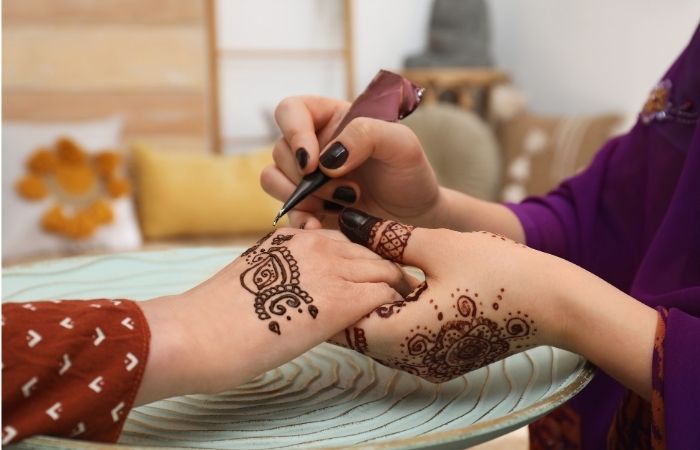
When PPD stays on your skin, your immune system may treat it as a harmful substance. This can cause redness, swelling, itching, pain, and chemical burns. In some cases, the skin may take weeks to heal. Many health experts also warn that PPD can lead to long-term skin allergies after just one exposure. This is why black henna is much riskier than natural henna.
This version answers the question in the first sentence, naturally includes the main keyword intent, and works well for AEO and GEO while keeping your original tone and simple language.
How Does Natural Henna Differ from Chemical Versions?
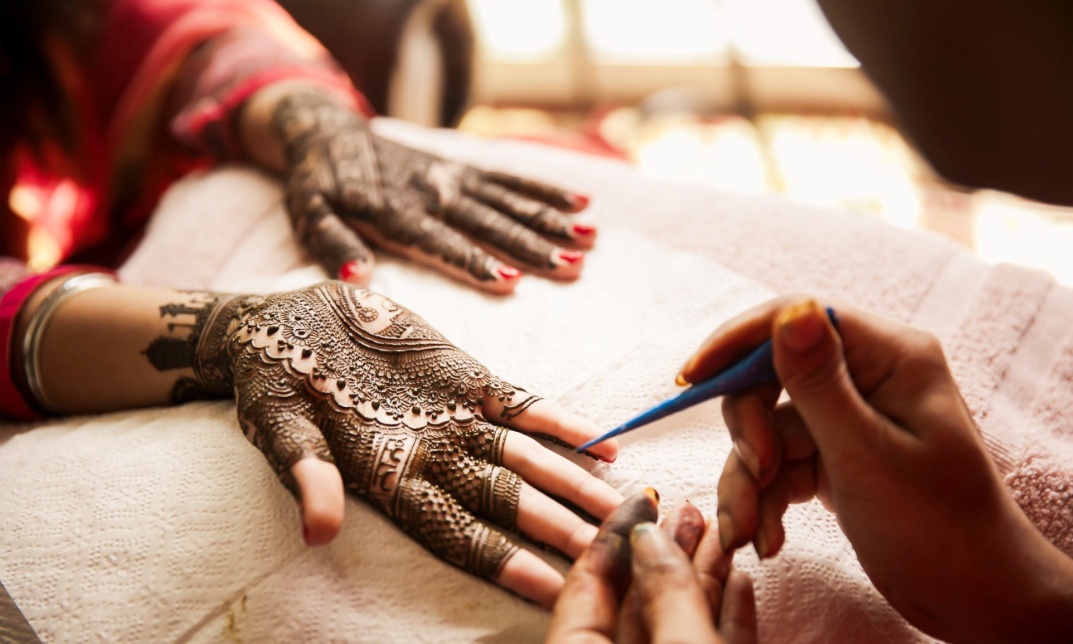
Natural henna is manufactured from the leaves of the Lawsonia inermis plant. It has a very specific way of working on the body. The fresh paste usually looks dark green or brown. You must leave it on the skin for several hours. This gives the plant dye time to soak in. Specifically, the dye binds to the top layer of your skin. Once you wash it off, the stain looks bright orange. It slowly turns a deep reddish-brown over the next two days. This slow change proves the henna is safe and natural. Meanwhile, chemicals are not needed for this beautiful process.
Why is Black Henna Riskier for Young Children?
Children have much thinner and more sensitive skin than adults. Child immune systems are still growing and learning. Because of this, they react more strongly to harsh chemicals like PPD. A black henna tattoo can cause a deep chemical burn on a child. This burn hurts a lot and leaves the skin very raw. It takes a long time for a child’s skin to heal from this. Furthermore, the reaction can cause lifelong allergies for the child. This means they might face health issues for many years. Parents should always check the ingredients before letting kids participate.
- Natural colour: Safe henna always stains orange, red, or brown.
- Chemical content: Black henna often contains PPD, which is a hair dye.
- Reaction speed: Real henna needs hours to work; fake henna works in minutes.
- The law: It is illegal to use PPD on the skin in the UK.
- Smell: Natural henna smells earthy; black henna smells like chemicals.
What are the Early Symptoms of a Reaction?
A reaction to black henna does not happen right away. You might feel fine for a few days after getting the tattoo. Suddenly, the skin starts to feel very hot and itchy. You will see small red bumps on the tattoo site. The area often turns a bright, angry shade of red. Similarly, the skin might feel tight or sore. This is a sign that your body is fighting the PPD. You must tell an adult and see a doctor if this happens. Do not ignore the itching or the heat. Early help makes a big difference for your recovery.
How Does Sensitisation Impact Your Future Health?
One bad reaction can change your health for the rest of your life. Doctors call this process “sensitisation”. Your immune system will always remember the PPD chemical as a threat. Consequently, you might react to hair dye later in your life. Even certain black clothes or rubber items could cause a rash. One small tattoo creates a permanent problem for your body. This is a very high price for a temporary design. Specifically, you lose the choice to safely dye your hair later. Protecting your health now ensures you stay safe in the future. Your immune system stays on high alert forever.
Can Chemical Henna Leave Permanent Scars?
PPD burns are often strong enough to leave a lasting mark. The blisters can damage the skin very deeply. This creates a “ghost tattoo” on your body. The skin might change its texture or its natural colour. For example, the skin may look much lighter than before. These scars can stay for many months or even years. Some people have these marks forever. Natural henna does not hurt your skin cells in this way. It fades away without leaving a single trace behind. Instead, choosing natural products keeps your skin smooth and healthy.
How Do UK Laws Regulate These Tattoos?
The UK has very strict laws for all beauty products. These rules ban the use of PPD in skin products. Stalls selling black henna are breaking these important laws. Meanwhile, Trading Standards officers search for these illegal sellers at summer fairs. They want to keep the public safe from chemical burns. These laws ensure that your beauty products are safe and tested. You can report illegal stalls to your local council. This helps keep everyone in your community safe from harm. As a result, the market becomes safer for everyone. Laws exist to protect your skin from dangerous chemicals.
- Severe itching: The skin feels like it needs constant scratching.
- Burning heat: The tattoo area feels very hot to the touch.
- Swelling: The skin becomes puffy and thick around the design.
- Blisters: Large, watery bumps form on the skin’s surface.
- Redness: The skin turns a very bright and angry shade of red.
How Does the Smell Reveal the Truth?
Your nose is a great tool for finding safe henna. Natural henna has an earthy and herbal scent. It smells like a damp garden or a cup of tea. Most people find this smell very pleasant and calming. Instead, black henna smells very sharp and like a chemistry lab. It might remind you of bleach or strong hair dye. Some say it smells like a nail salon or fresh paint. If the smell makes you cough, stay away from it. Consequently, you can avoid danger just by using your senses. Never put chemical-smelling paste on your body.
Why Should You Avoid Instant Staining Products?
The staining speed tells you if the ink is safe. Real plant dye needs a lot of time to work. It must soak into the top layers of your skin. This process takes at least six hours to complete. In contrast, black henna works in just twenty minutes or less. Harsh chemicals force the colour into your skin very quickly. This fast action often leads to painful burns later. Therefore, a quick result is a major warning sign. Patience is the key to a safe and beautiful tattoo. Fast results are not worth the medical risk.
What is the Link to Future Hair Dye Allergies?
Black henna and permanent hair dye share the same main ingredient. A tattoo alerts your immune system to the PPD chemical. Later in life, your body will attack hair dye immediately. This can cause severe swelling of the face and neck. It might even make it very difficult to breathe. This is a very serious medical emergency called anaphylaxis. For instance, you might need a hospital stay. One temporary tattoo limits your ability to change your hair colour safely. Keeping your skin safe now avoids these scary risks later. Your future self will thank you for being careful.
How Risky are Henna Kits Found Online?
Buying henna kits on the internet carries big risks. Some cheap kits contain hidden PPD or other chemicals. Natural henna is a fresh product that goes bad quickly. It needs a freezer to stay strong and safe. If a kit sits on a shelf for months, it contains preservatives. These chemicals can bother your skin or cause rashes. Instead, you should look for fresh, handmade cones. Only buy from sellers who list every single ingredient clearly. Check the reviews to see if other people had problems. Specifically, look for mentions of skin reactions. Safety is more important than a low price.
- Smell test: Natural henna smells like plants; fake henna smells like dye.
- Storage: Real henna must stay in the fridge or freezer.
- Price: Be careful of very cheap tattoos at busy markets.
- Labels: Look for a full list of ingredients on every box.
- Shipping: Fresh henna should arrive quickly in a cool package.
How Can You Spot an Unsafe Artist?
Fake artists often work in busy markets or tourist spots. They want to finish each tattoo as fast as possible. They use jet-black paste stored in plastic cones. These artists often hide their ingredients from the customers. For example, they might say the recipe is a secret. They might get angry if you ask questions about safety. In addition, they often promise “instant” results. Professional artists love to talk about their craft and tools. They use fresh, natural ingredients for every single person. They will show you pictures of brown stains, not black ones. Trust your gut feeling if an artist seems secretive.
How Does Social Media Spread Dangerous Myths?
Social media shows many photos of dark and perfect designs. Many of these images use filters to look better. Similarly, some influencers use dangerous ink to get a sharp black look. Teens see these photos and want to copy the style. They do not see the painful burns that follow. Influencers often promote products without knowing the health risks. This makes it easy for dangerous myths to spread quickly online. As a result, young people take risks with their skin. Always research a beauty trend before you try it yourself. Do not believe everything you see on a screen.
When Should You See an NHS Doctor?
Visit a doctor immediately if your skin starts to feel sore. Do not wait for large blisters to appear on your skin. The NHS provides special creams to treat chemical burns. These medicines stop the swelling and the intense itching. Consequently, the skin can begin to heal correctly. Early treatment helps prevent deep and permanent scars. Doctors want to help you feel better as soon as possible. Tell them exactly what kind of ink the artist used. They will not judge you for getting a tattoo. Seeking help quickly is the smartest thing you can do.
What are the Safest Alternatives to Black Ink?
You can get a dark and cool look safely. Jagua gel comes from a fruit found in South America. It stains the skin a dark blue or black colour. This is a natural product and much safer than PPD. Many UK artists now offer Jagua as a safe choice. Similarly, it gives you the look you want without the danger. You can also use natural henna for a deep brown colour. Both options are healthy for your skin and look amazing. Choose the safe path for your body art. Natural beauty lasts longer and stays safe.
- Jagua Gel: A fruit-based juice that creates a dark blue stain.
- Traditional Henna: A plant-based paste that creates a mahogany stain.
- Artist Choice: Look for professionals who use handmade cones.
- Safety First: Natural products protect your immune system for life.
- Preparation: Clean your skin before the artist starts their work.
How Do You Remove Natural Henna Safely?
Natural henna fades as your skin cells replace themselves. This process usually takes one to three weeks. You can help it go faster with warm salt water. Soak the area and then use a soft washcloth. Gently scrub the skin to lift the plant dye. In addition, you can use a gentle body scrub. Never use harsh cleaners or bleach on your body. These can cause their own rashes or burns. Instead, be patient and watch the pattern slowly disappear. It is a natural process that does not hurt. Most people enjoy watching the colour change over time.
Why Should We Protect the Henna Tradition?
Henna is a beautiful and ancient tradition from many cultures. It brings people together during weddings and happy festivals. Choosing natural henna keeps this art alive and healthy. It connects us to history without using dangerous chemicals. For instance, it celebrates nature and art together. You can express your style without hurting your body. Support artists who use high-quality and safe plant dyes. This ensures the tradition stays safe for the next generation. We can celebrate culture and stay healthy at the same time. Natural beauty is always the best choice.
Final Thoughts on Henna Safety
Are there any risks associated with using black henna that you should know about? The answer is yes. Black henna often contains PPD, a chemical that can cause painful burns, blisters, permanent scars, and lifelong allergies. Beauty trends come and go, but your skin stays with you for life. Before saying yes to black henna, take a moment to learn what is inside the paste. A simple safety check today can help you avoid a painful mistake tomorrow.